

By: Francesca Montillo, ISDA Food + Travel Writer
San Nicola, the Feast of the Immaculate Conception, the Feast of St. Lucia, Christmas Eve, Christmas Day, the Epiphany! It surely is a season of celebrations for Italians and all Catholics! There is another beloved holiday in the mix in between Christmas and New Year’s, the La Festa di Santo Stefano, the feast of St. Stephen, which occurs on Dec. 26.
While many may think it’s a day to indulge in leftovers and enjoy even more panettone, the feast actually has wonderful meaning to all who celebrate and commemorate it. But who was St. Stephen?
St. Stephen was the first to give his life and blood for Jesus Christ. Jewish by birth, and converted to the faith by the preaching of St. Peter, he immediately showed a wonderful zeal for the glory of God when he stood up against ancient Jewish authorities.

He was elected by the Apostles’ first of the seven deacons to provide for the needs of the faithful, especially the widows and orphans of whom the Church always took particular care. And St. Stephen, full of grace and animated by the Holy Spirit, preached with strength and performed miracles.
Stephen joined the Apostles after Pentecost and became a disciple. The Apostles explained to the disciples that the most important mission was to spread the word of God and the story of Jesus, and Stephen was fully engaged in this new spiritual endeavor.
Over time the number of Jews who converted to Christianity began to increase, triggering alarm among priests who denounced Stephen for preaching against Moses and God. The Sanhedrin used false witnesses to charge Stephen who never strayed from his mission.
Among those who investigated and condemned Stephen’s conduct was a certain Saul of Tarsus, who would later become St. Paul.
According to the New Testament, the death of St. Stephen occurred around 33 AD in Jerusalem. The story of St. Stephen and his end can be read in the Acts of the Apostles in chapters 6 and 7. The accusation was blasphemy; he was found guilty and was condemned to death by stoning.
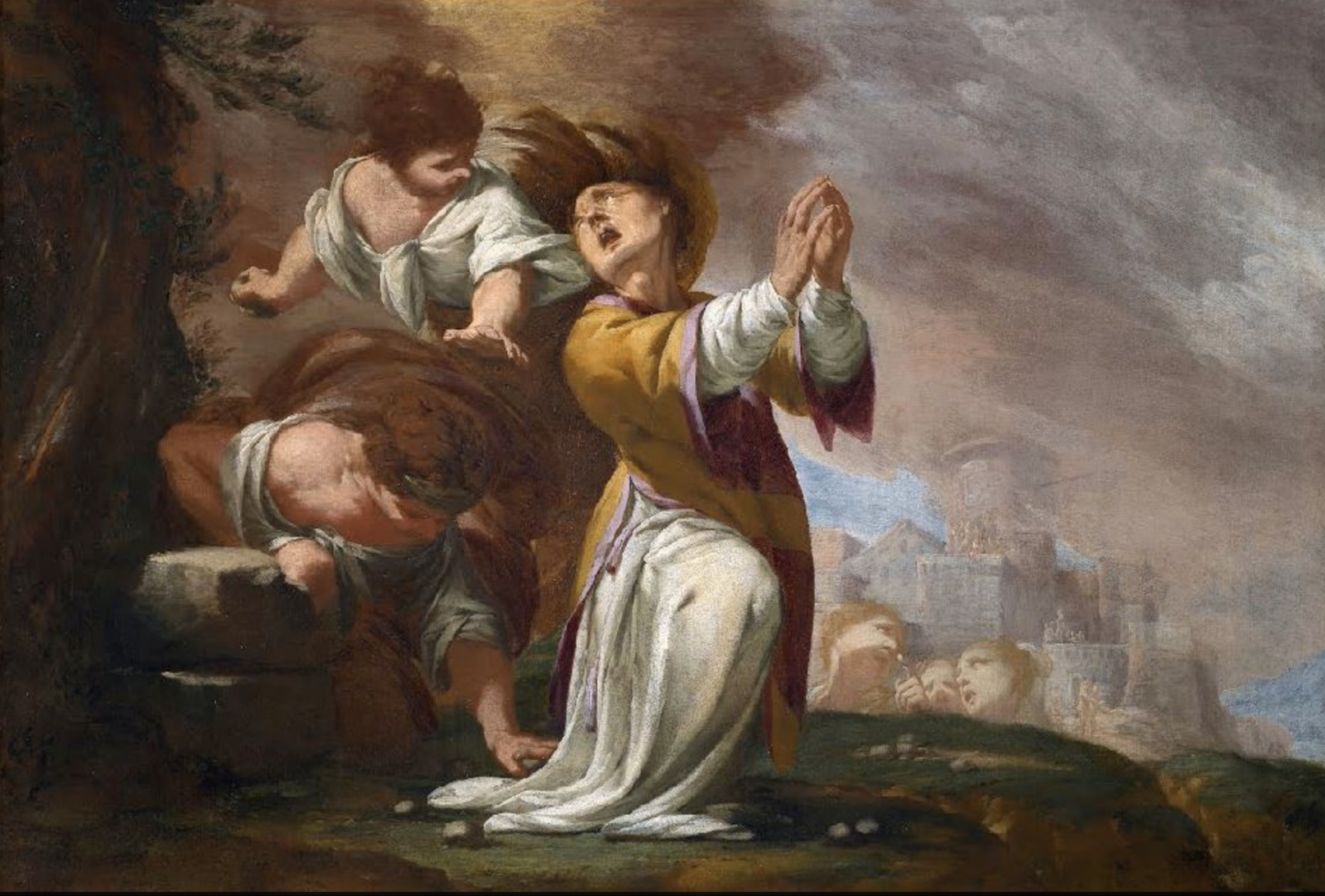
For the church, he is a cherished saint also due to the fact that the blessing that the Apostles gave before leaving him to go to preach is identified as the beginning of the journey of the diaconate and the deacons are in fact the protectors of St. Stephen.
It was only in 1949 that St. Stephen’s Day became a holiday, the purpose was to extend the Christmas holidays, even if by just one day. But why this date?
Given that St. Stephen is recognized as the first martyr of Christianity, the church wanted to place him next to Jesus in the calendar so that the feast could also have a temporal coherence, celebrating the first martyr after the advent of Christ.
