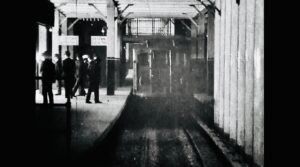
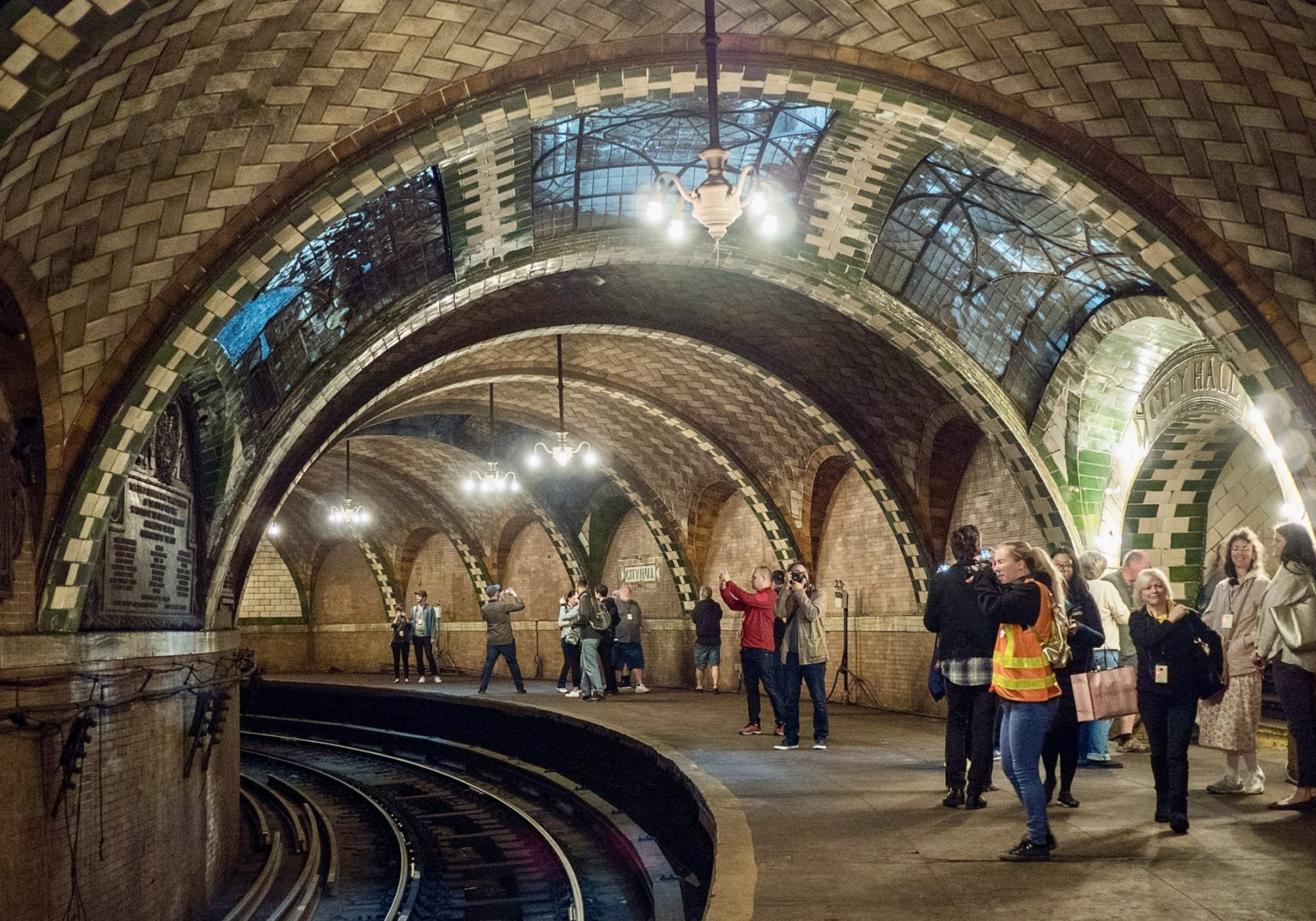
The City Hall station of the IRT Lexington Avenue Line, part of the first underground line of the subway that opened on October 27, 1904.
“The Dawn of Italian America”
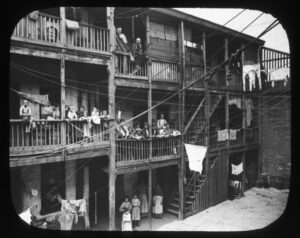
Urban life was often filled with hazards for the new immigrant, and housing could be one of the greatest dangers. In the early 1900s more than half the population of New York City, and most immigrants, lived in tenement houses: narrow, low-rise apartment buildings that were usually grossly overcrowded by their landlords, according to the Library of Congress.
Cramped, poorly lit, under ventilated, and usually without indoor plumbing, the tenements were hotbeds of vermin and disease, and were frequently swept by cholera, typhus, and tuberculosis. The investigative journalist Jacob Riis, himself a Danish immigrant, launched a public campaign to expose and eradicate the exploitative housing new immigrants were forced to endure.
For Italians, this way of living came as an enormous shock. In Italy, many rural families had slept in small, cramped houses; however, they spent most of their waking hours out of the house, working, socializing, and taking their meals in the outdoors.
Subscribe here to La Nostra Voce, ISDA’s Italian American newspaper.
In New York, they found themselves confined to a claustrophobic indoor existence, using the same small room for eating, sleeping, and even working. A substantial percentage of immigrant families worked at home performing piecework — that is, doing work that paid them by the piece, such as stitching together garments or hand-assembling machinery. In a situation like this, an immigrant woman or child might go days without seeing sunlight.
Immigrants’ workplaces could be as unhealthy as their homes. A substantial number of southern Italian immigrants had only worked as farmers, and were thus qualified only for unskilled, and more dangerous, urban labor.
Many Italians went to work on the growing city’s municipal works projects, digging canals, laying paving and gas lines, building bridges, and tunneling out the New York subway system. In 1890, nearly 90 percent of the laborers in New York’s Department of Public Works were Italian immigrants.
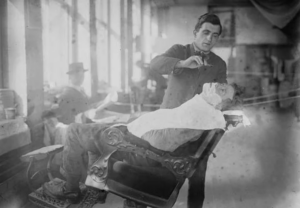
By no means was all Italian immigrants’ work grim and hazardous. Italians found work throughout the city, in many of the improvised trades that have long been a haven for immigrants, such as shoemaking, masonry, bartending, and barbering.
For a time, some observers felt that Italians operated every fruit-vendor’s cart in the city. For many immigrants, though, and especially women and children, work could only be found in sweatshops, the dark, unsafe factories that sprang up around New York.
When a fire broke out at the Triangle Shirtwaist factory in 1911, killing 146 workers, nearly half of the victims were young Italian women. The disaster helped galvanize the organized labor movement. During the Italian American summer feast season, we celebrate our traditions and religious rituals, but we also pay homage to the generations before us who toiled for years, paving the way to the success and elevation of our culture.