

By ISDA Staff
“Fiorello La Guardia is regularly ranked not only as the greatest mayor of New York City, but as the greatest mayor of any city in all of American history. His pugnacious charisma, managerial competence and expansive vision still set a near-impossible standard for any candidate for municipal office…” –The New York Times
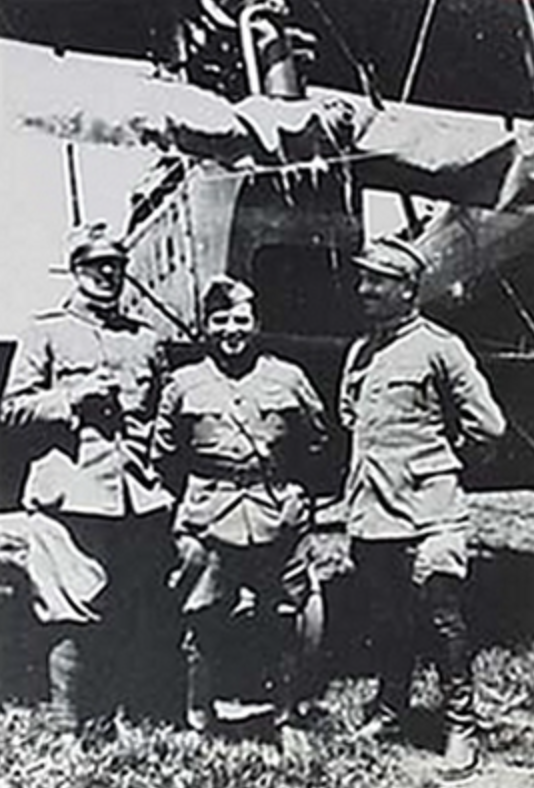
La Guardia was elected to the House of Representatives as a progressive Republican in 1916, but his term was cut short when he was commissioned into the United States Army Air Service; he rose to the rank of major in command of a unit of bombers on the Italian-Austrian front in World War I. He returned to Congress in 1918, and over the next 15 years, he opposed Prohibition and supported woman suffrage and child-labor laws. He co-sponsored the Norris–La Guardia Act (1932), which largely dissolved the courts’ power to ban or restrain strikes, boycotts, or picketing by unions, according to Britannica.com.
In 1933 La Guardia became mayor of New York City and earned a national reputation as an honest and nonpartisan reformer dedicated to civic improvement made possible, in part, through New Deal initiatives (FDR, in essence, helped fuel La Guardia’s rise as the Italian mayor favored the sweeping economic recovery program).
#OTD in 1994, a statue of former #NYC mayor #FiorelloLaGuardia is dedicated on #LaGuardiaPlace nr his birthplace, commemorating the colorful+iconic leader’s contributions to the city & #GreenwichVillage. We look back on his life, accomplishments+statuary: https://t.co/QINWXQOozH pic.twitter.com/xy2D4jeGnQ
— Village Preservation (GVSHP) (@GVSHP) October 19, 2020
He unified NYC’s transit system, directed the building of low-cost public housing, public playgrounds, and parks, constructed airports, reorganized the police force and defeated the powerful Tammany Hall political machine.
A colorful figure with a flair for the dramatic, La Guardia became known as “The Little Flower” in reference to his first name and his height (5-feet-2-inches tall).
After being reelected twice, La Guardia in 1945 refused to run for a fourth term as mayor in 1945.
La Guardia, an Italian American leader and icon, succumbed to pancreatic cancer on Sept. 20, 1947.

