By Marianna Gatto, ISDA Contributing Editor
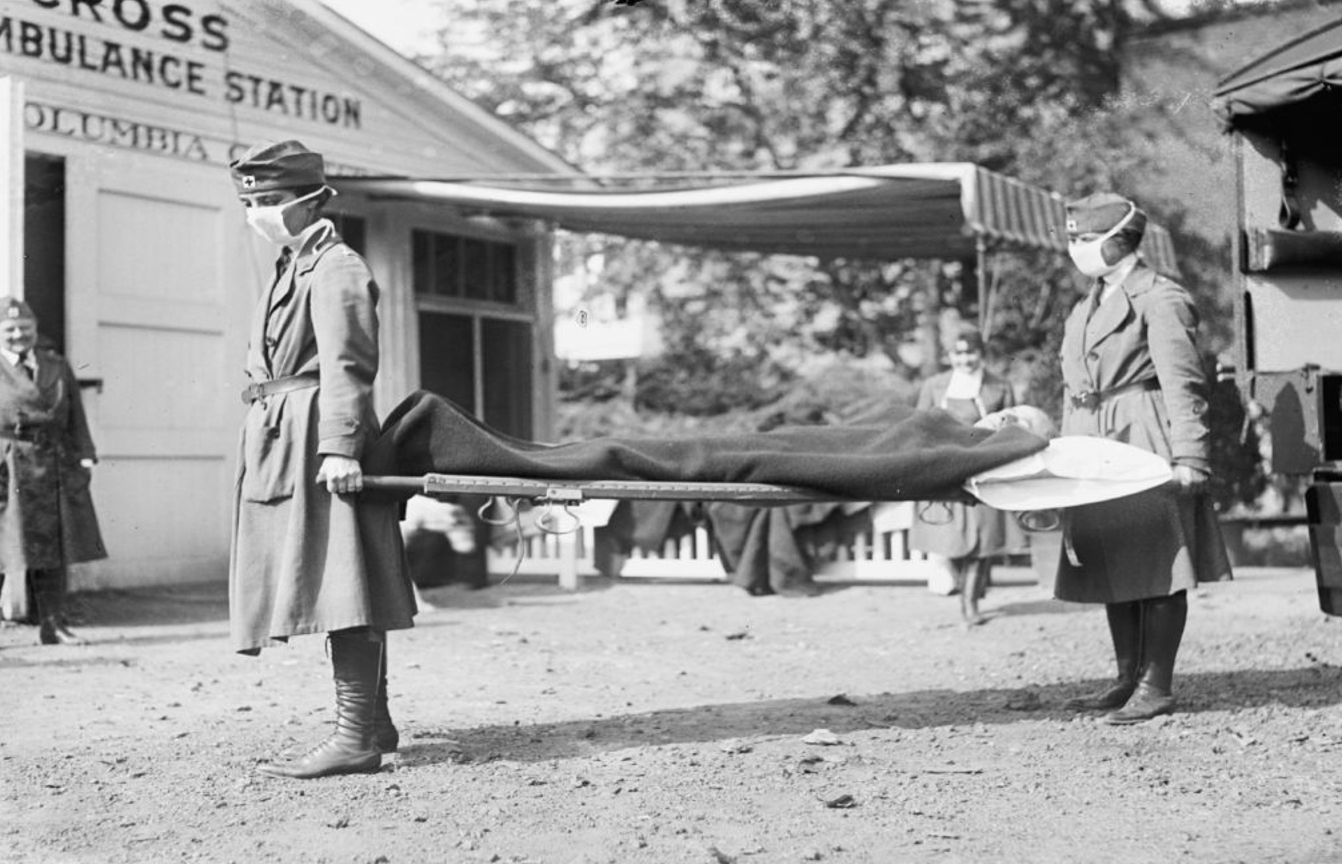
It was 1918. The influenza pandemic was ravaging the world and, by the time it subsided, some 50 million people had lost their lives. In Italy, which had one of the highest influenza mortality rates in Europe, an estimated 600,000 Italians died. Three-year-old Giuseppina Fico was too young to understand the virus that took her mother in the prime of her life.
The Fico family had been poor for generations, but the loss of its matriarch made life all the more bitter. Giuseppina’s father was a sharecropper who barely earned enough to feed his children. At the tender age of six, Giuseppina was helping her father in the fields and apprenticing in needlework.

Needlework was an essential part of Italian society. It was through needlework that young Italian women demonstrated that they had been raised properly, that they were ready for adulthood, and that they would make good wives and mothers.
By age ten, Giuseppina had begun assembling her corredo, or the linen portion of her dowry. Having a corredo was critical for a woman, and those lacking even a basic corredo were considered undesirable.
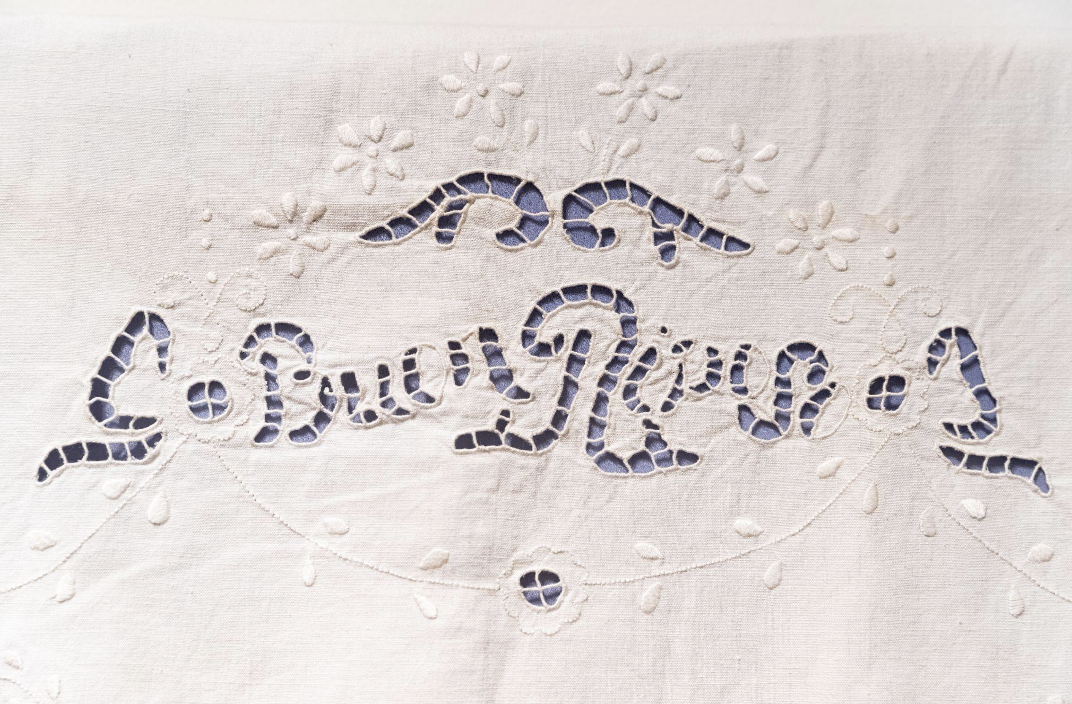
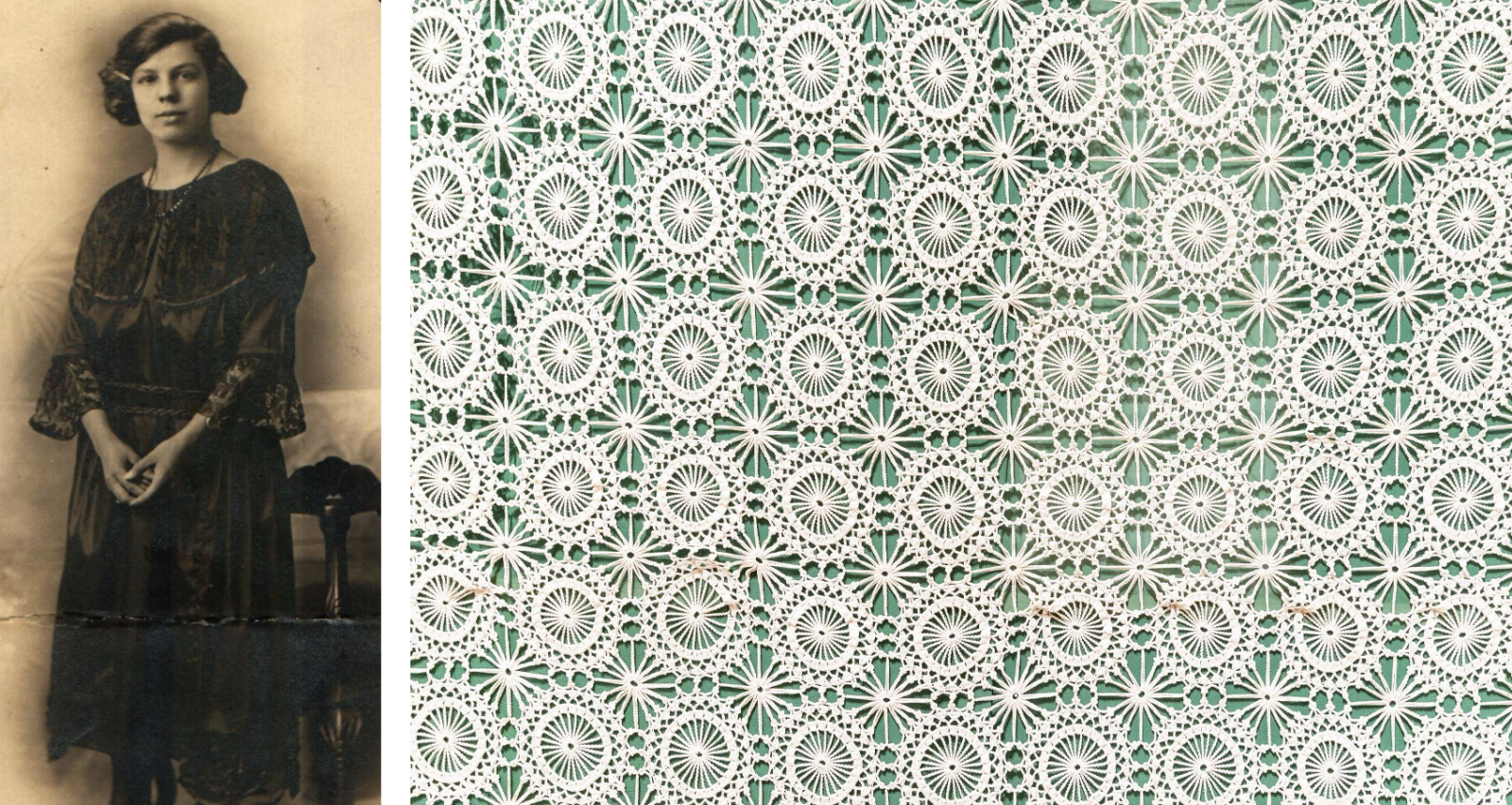
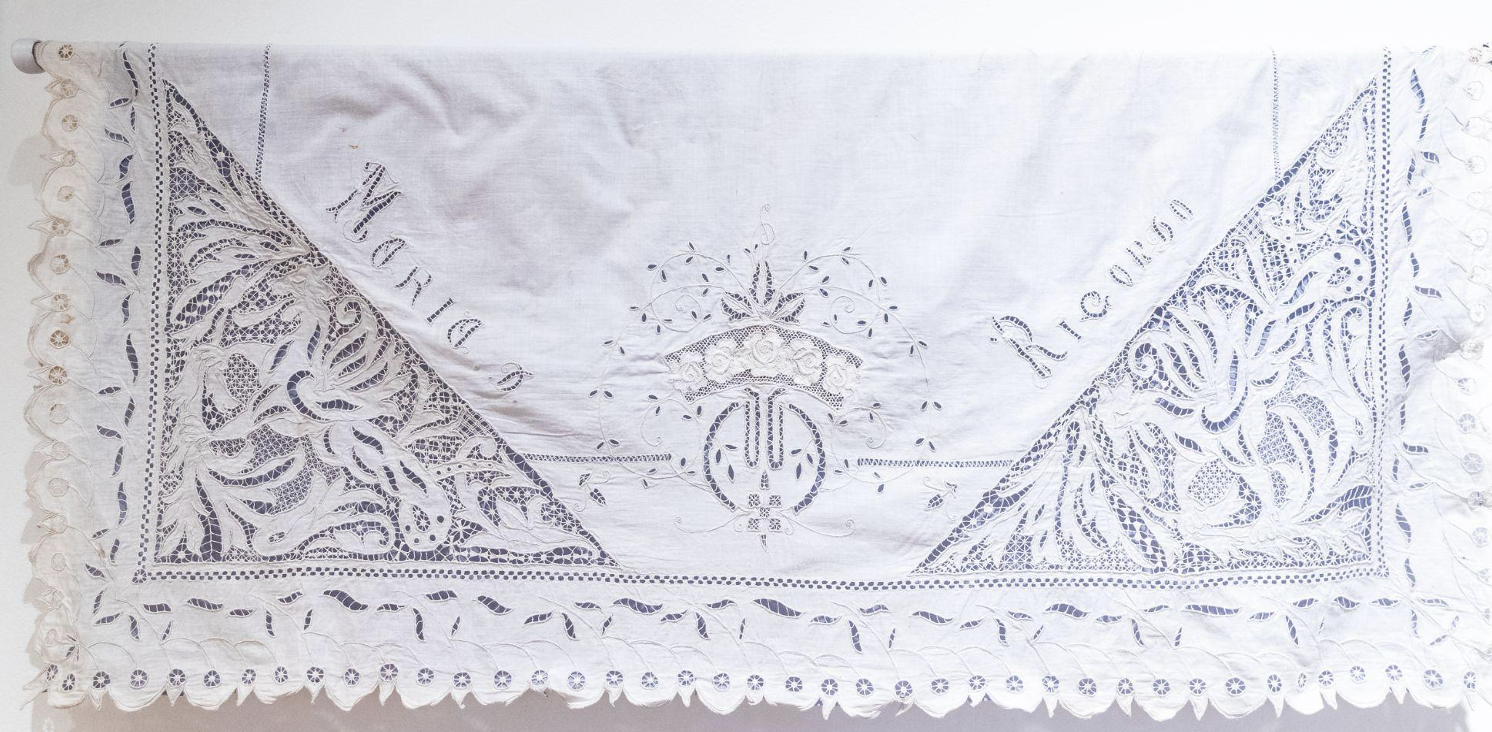
Among the items Giuseppina created for her corredo was a white matrimonial bedsheet with elegant cutwork. “Buon riposo,” it reads, Italian for “rest well.”
Giuseppina would eventually marry a man from her village, and, shortly after World War II, she immigrated to America with her husband and children. The “buon riposo” bed sheet was among the items she brought with her on the transatlantic voyage. Giuseppina settled in New York, where she found employment in the garment industry making luxurious apparel for retailers, including Saks Fifth Avenue. Her needlework skills helped put food on the table.
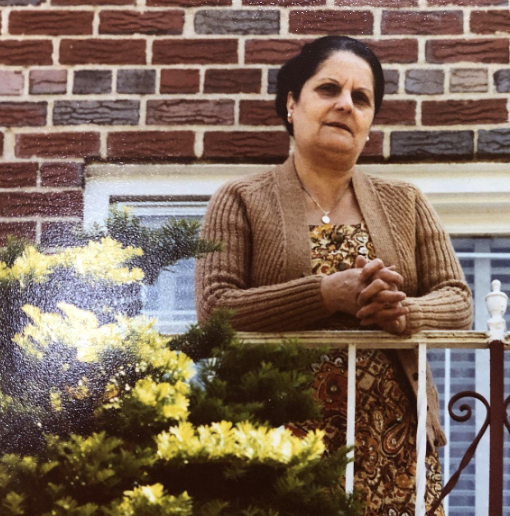
Within one generation, life changed dramatically for the family. Giuseppina’s daughter, Rose, did not follow her mother into the factory. She instead earned a Ph.D. from Columbia University and enjoyed a successful career as a biochemist.
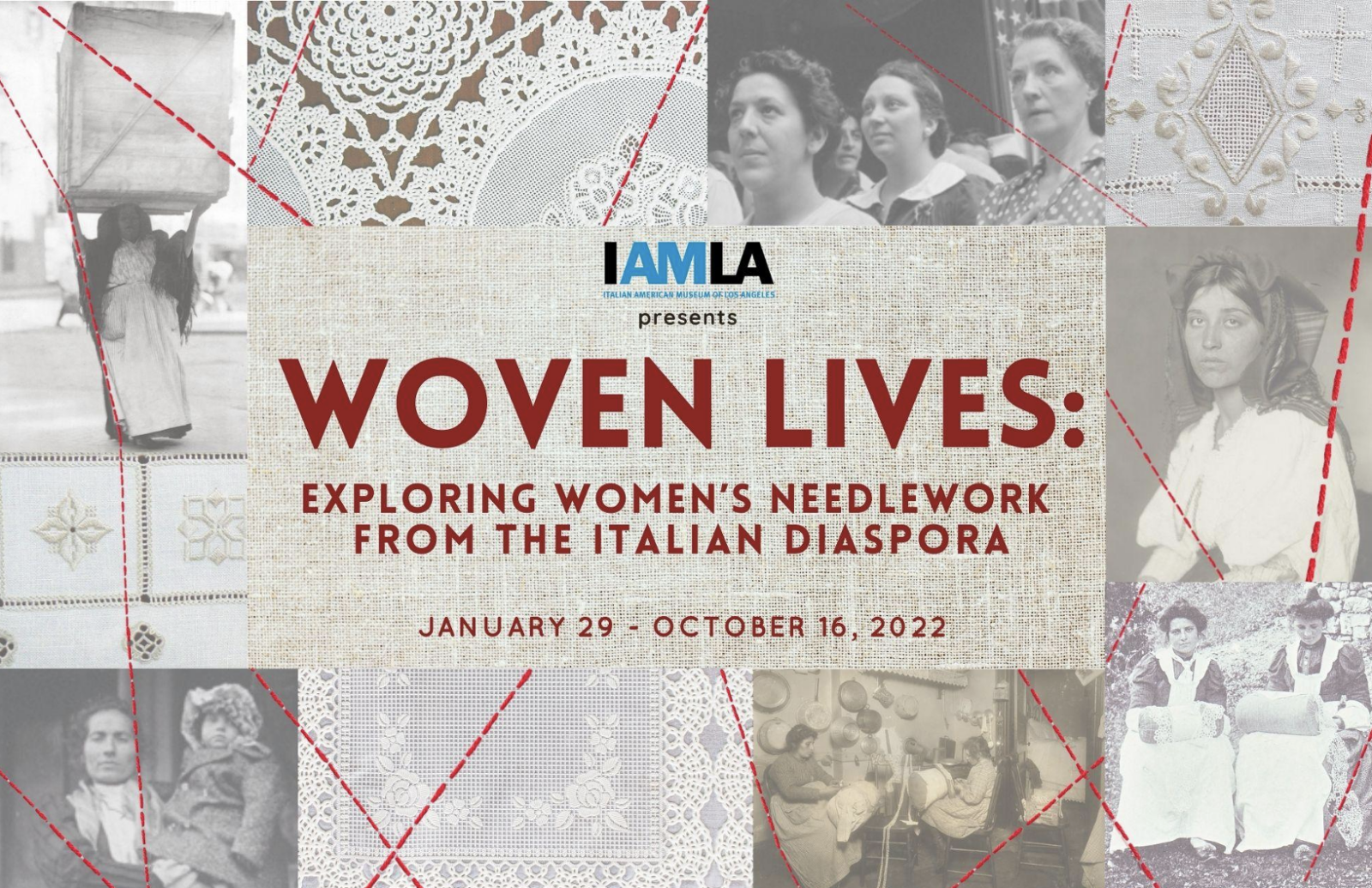
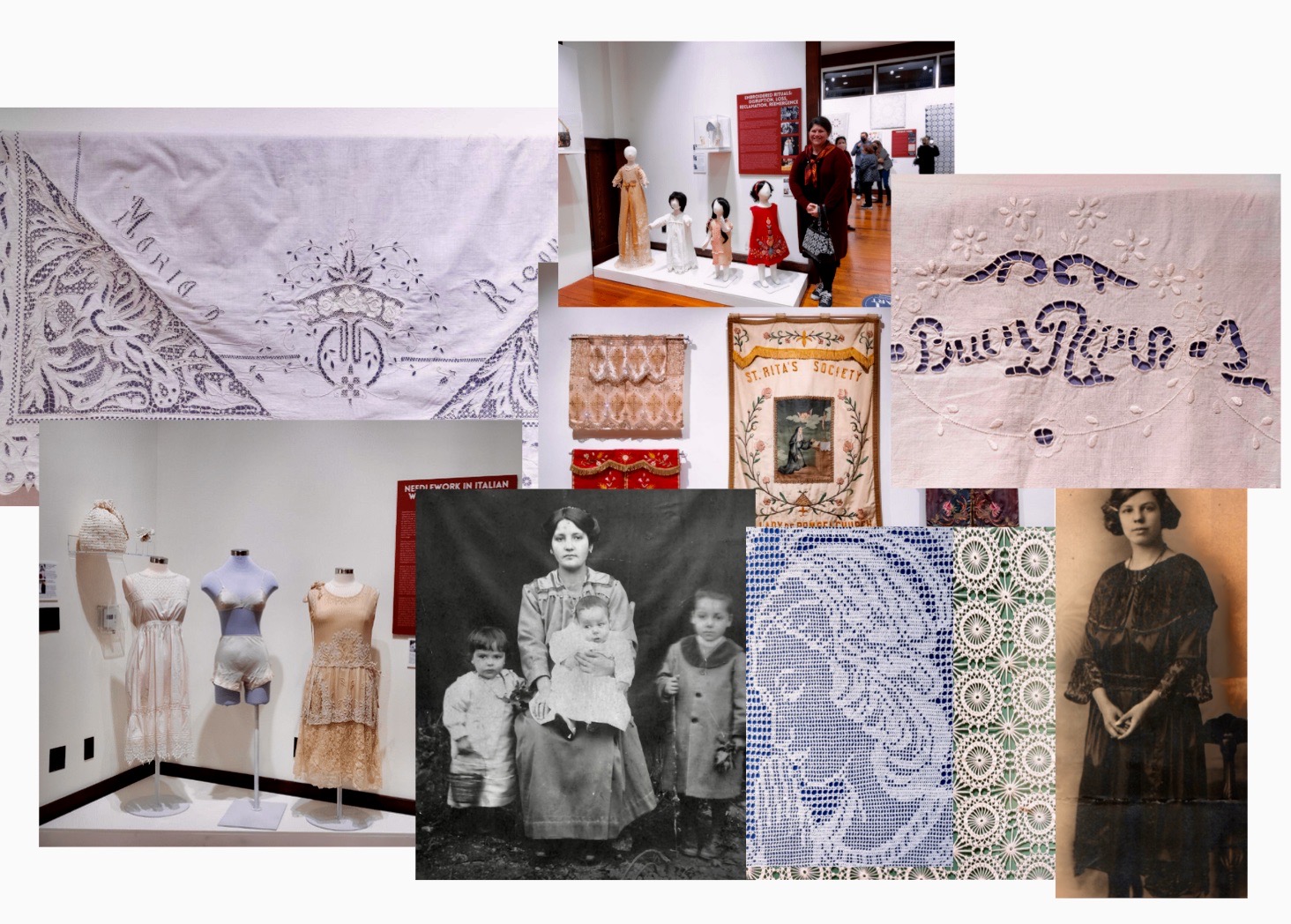
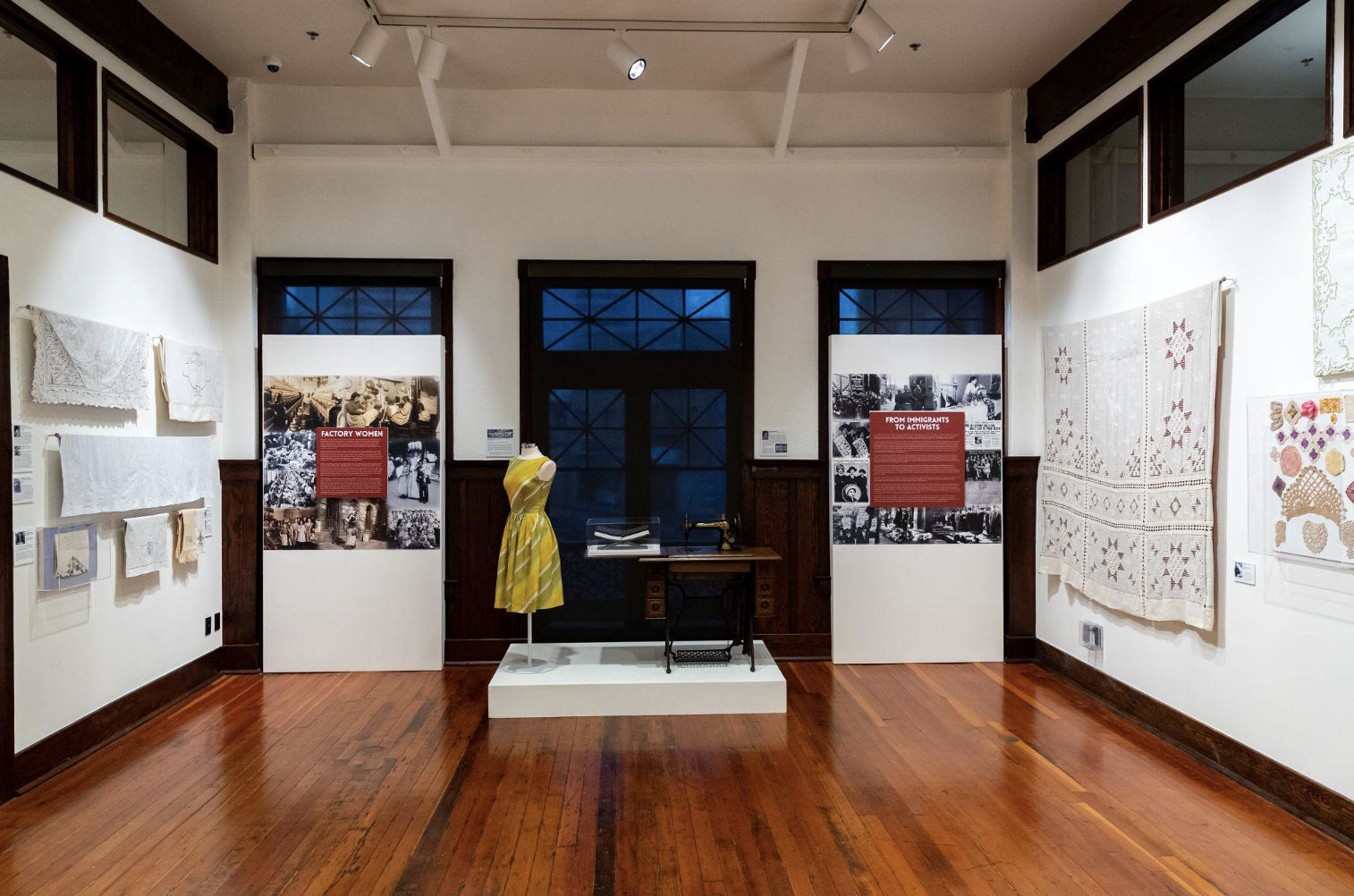
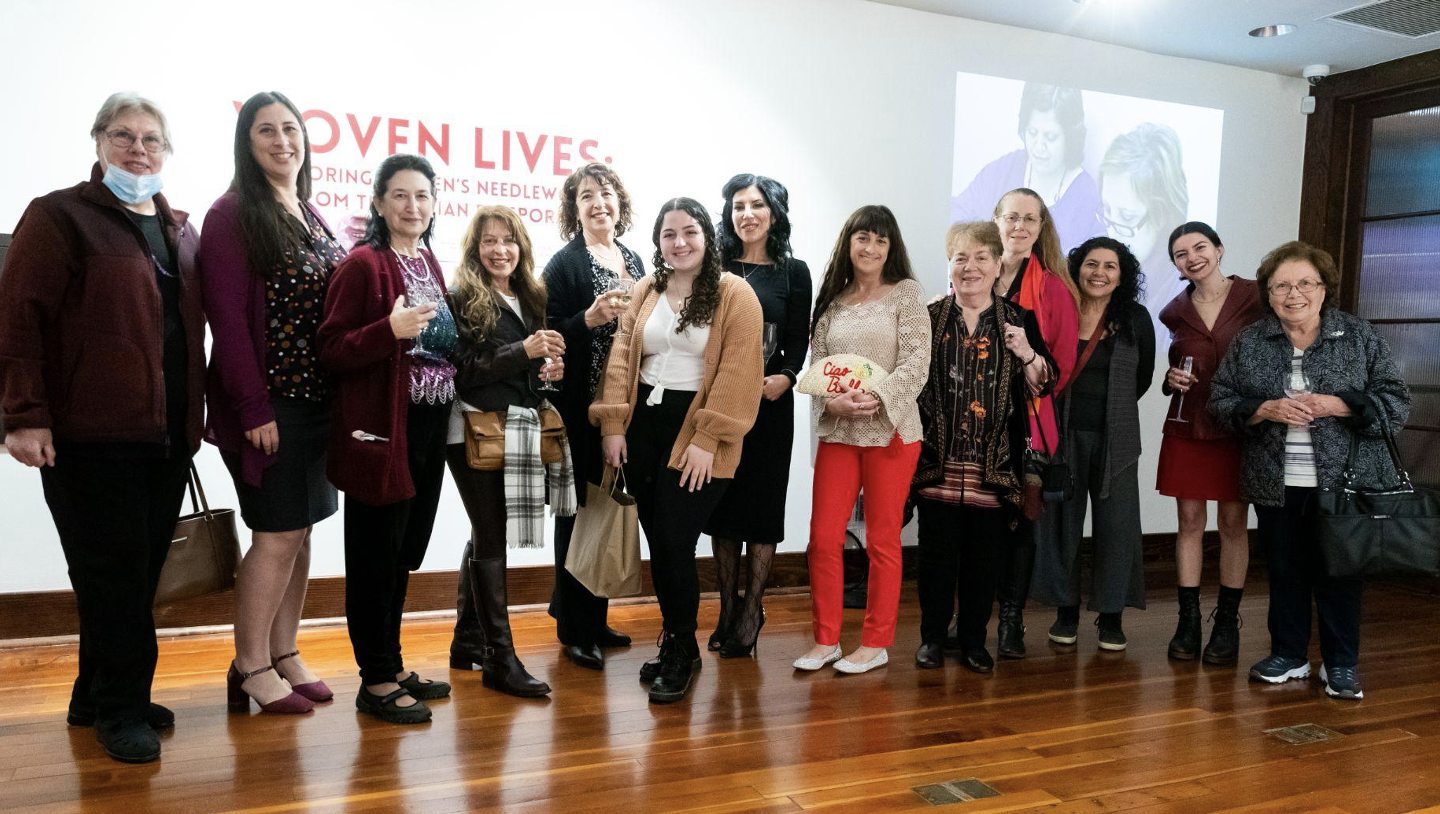
The “buon riposo” sheet that Giuseppina had sewed in 1925 remained in the family until 2013, when Rose donated it to the Italian American Museum of Los Angeles (IAMLA). It was this sheet that inspired the museum’s latest temporary exhibition: Woven Lives: Exploring Women’s Needlework from the Italian Diaspora,which opened January 29.
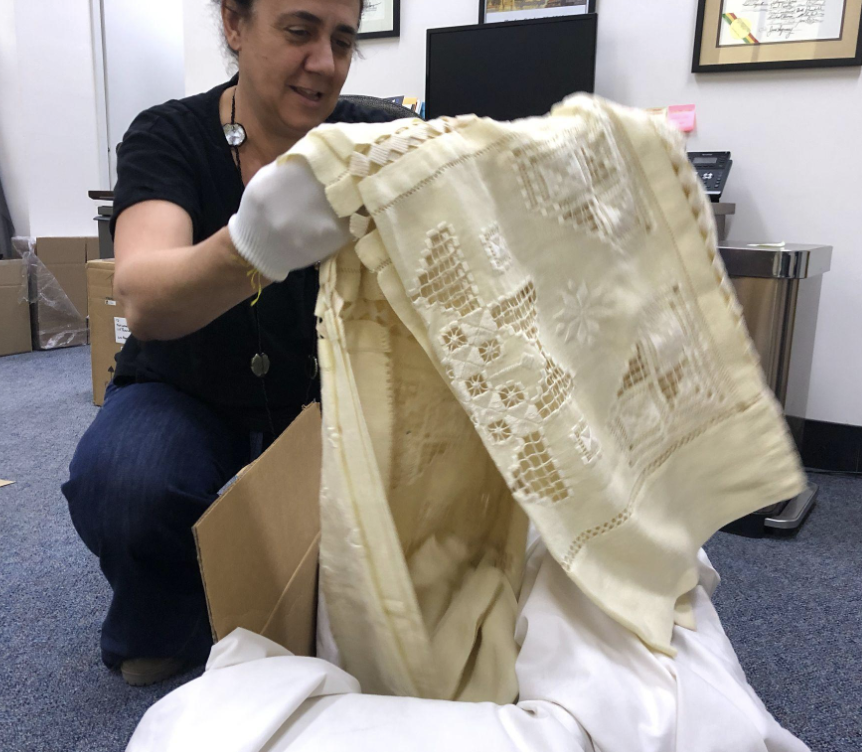
Woven Lives began as a mere musing in 2019. That summer, IAMLA staff, with the assistance of an intern funded through the Getty Marrow Undergraduate Internship program, were cataloging items that the IAMLA had acquired for its collection. As our intern, Therese, methodically photographed Giuseppina’s “buon riposo” bed sheet, a discussion ensued about the hardship Giuseppina had endured.
“Wouldn’t it be neat to do an exhibition of these linens one day, an exhibit that examines the story behind each piece and the women who made them?” I wondered aloud. Our staff liked the concept and we added it to our list of future exhibitions.
A few months later, my colleague, Francesca Guerrini, purchased a copy of Embroidered Stories: Interpreting Women’s Domestic Needlework from the Italian Diaspora, a collection of stories edited by Joseph Sciorra, Director of Academic and Cultural Programs at Calandra Institute, and Edvige Giunta, a Sicilian-American writer, educator, and literary critic. We had worked with Joseph in the past on other programs and shared the idea of doing a needlework exhibition idea with him. He graciously agreed to serve as the advisor on a grant proposal we were in the process of writing to California Humanities.
Several months later, the news we had been waiting for arrived: California Humanities had selected our proposal to be funded!
The IAMLA published a call for needlework, asking the public to share pieces created by Italian and Italian American women that had interesting stories attached to them. Much to our delight, and thanks to organizations like the ISDA, which helped publicize the call, people all over the nation responded. We received submissions from Pennsylvania, Michigan, Florida, New York, Massachusetts, and California, as well as from Italy and Australia.
Then came Covid-19 and life changed overnight. The museum went virtual, presenting dozens of programs and resources, from concerts and lectures to curricula and culinary educational videos. The pandemic presented an array of challenges, not to mention financial woes. We canceled, postponed, and rescheduled exhibitions, and it was anyone’s guess when life would return to something resembling normality. When the IAMLA was finally able to open for in-person visits in June 2021, we decided that Woven Lives would be the first temporary exhibition that the museum would present in the quasi-post-pandemic world.
All the exhibitions that we have presented at the IAMLA have been original to the museum. The process of creating them is labor intensive. We oversee every detail, from the content and images to the design and programming. I become so engrossed in the research, writing, and curation that the exhibitions dominate my conversations outside of work and sometimes even appear in my dreams.
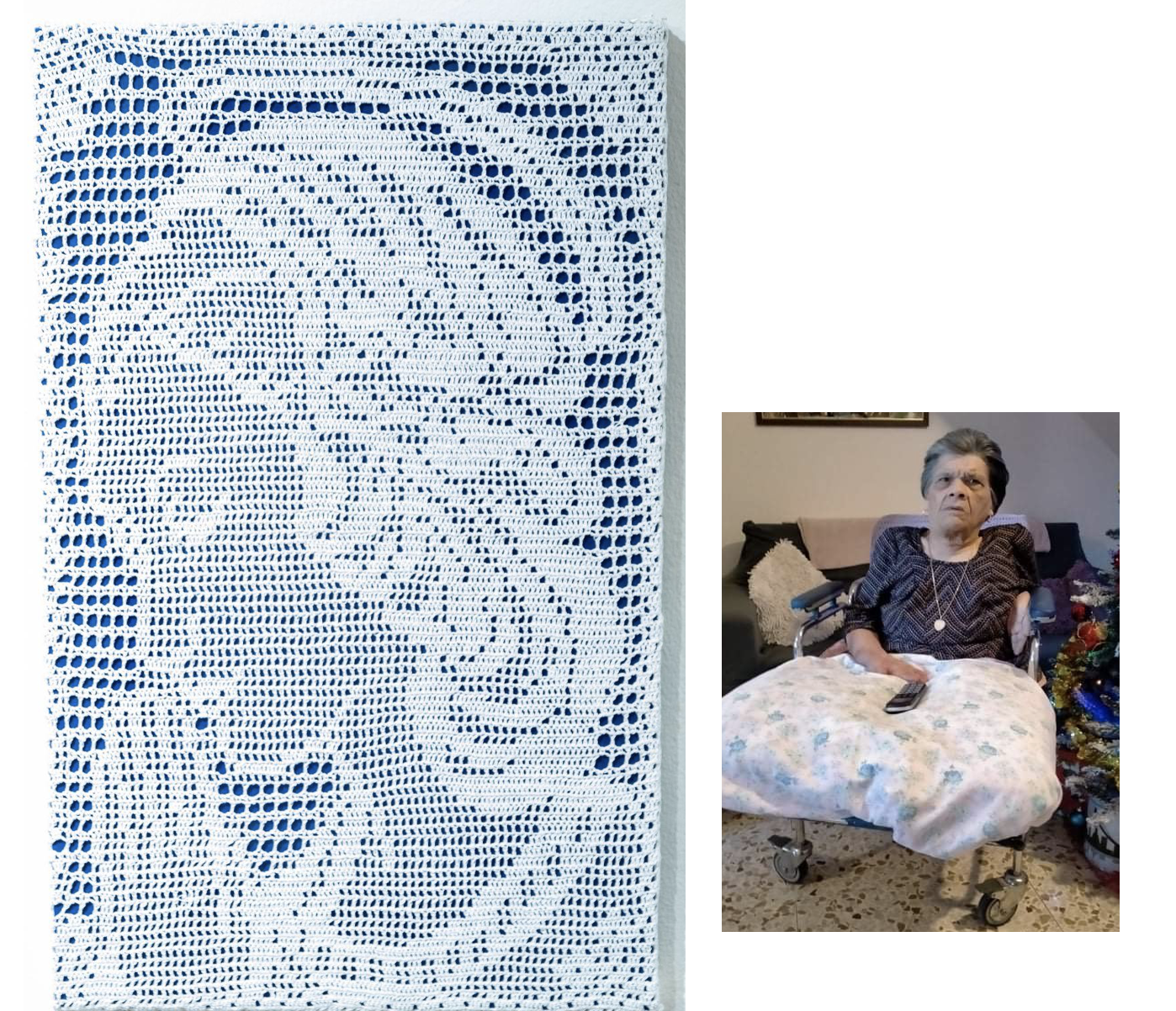
Woven Lives struck a chord with the public. We received over 200 submissions. There were many fine examples of embroidery, lace, crochet, knitting, needlepoint, and sewing. Dozens of different stitches and techniques were represented. Much of the needlework was over a hundred years old, and the longer I spent with the women’s creations, the more they contrasted with the mass-produced goods of the modern era, both philosophically and aesthetically.
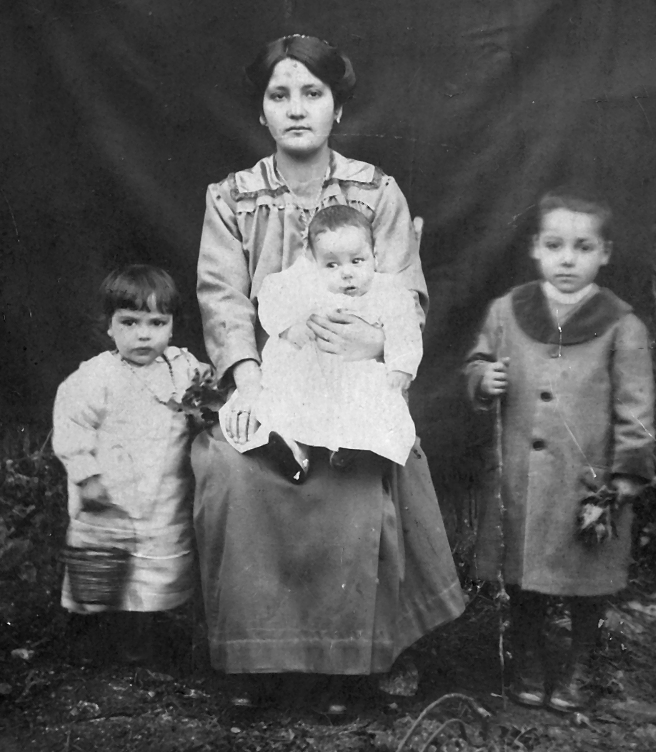
However, it was the stories behind the pieces — the experiences of the women responsible for the needlework — that humbled and inspired me the most.
It was easy to get lost in the photographs of the women, studying their faces and the emotions conveyed in their expressions. I realized that the pieces had found us as much as we had found them.
Most of the contributors to the exhibition were women, a point that illustrates the important role that women often play as the custodians of family history, material culture, and memories.
Woven Lives chronicles the evolution of needlework, tracing its origins in Italy and examining its significance in Italian life. From the cradle to the grave, needlework was omnipresent in Italian society. Upon women’s arrival in the United States, the significance of needlework changed. Italian women, like Giuseppina, translated their skills into wage-earning employment. This was often their first taste of economic independence, or, at the very least, one of the first times they were compensated financially for their labor.
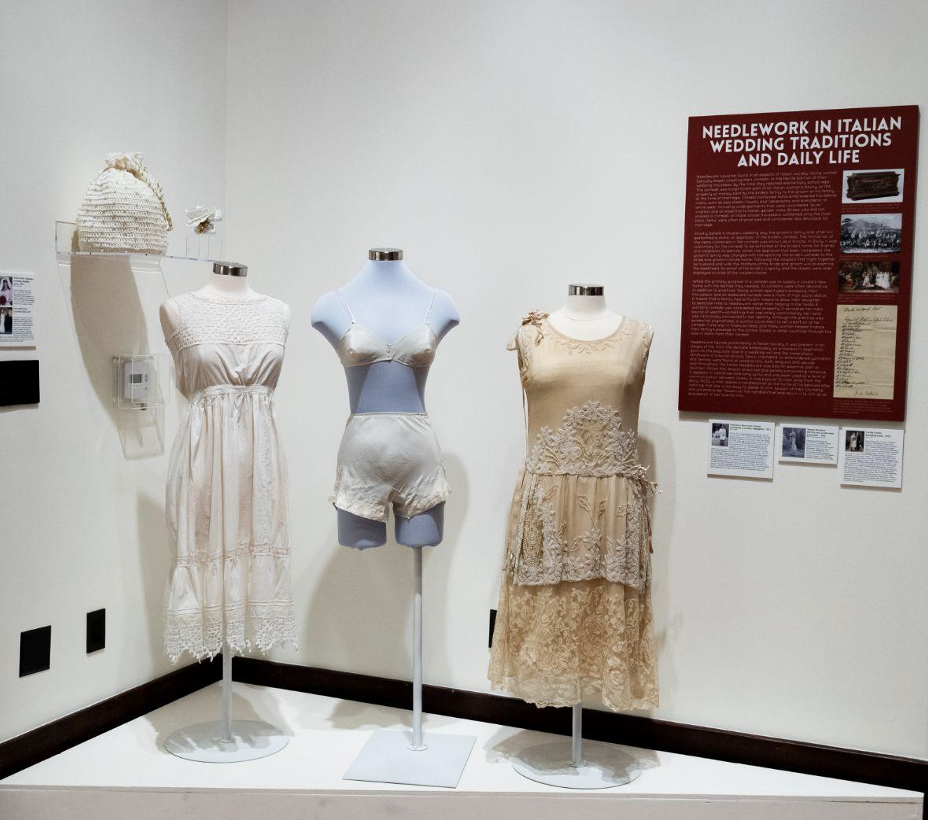
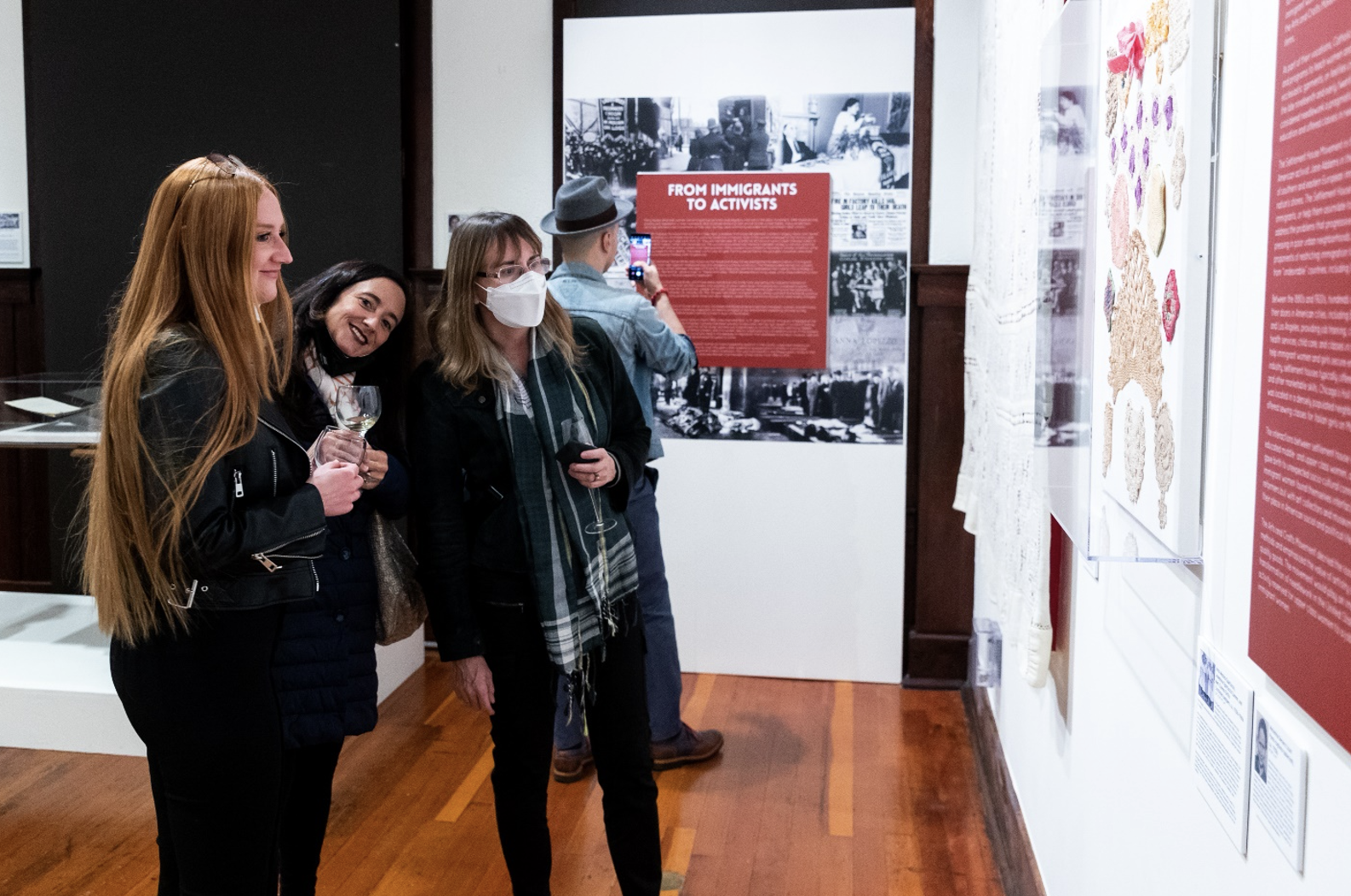
Whereas needlework in Italy had been a slow, meticulous process — an art form that emphasized quality — employers in the United States favored mass production, quantity, and speed. The women’s experiences in the nation’s factories, including the horrific working conditions of the era and the tragedies of unfettered capitalism, led some women to become activists. They participated in the labor struggles that shaped modern America and helped give birth to many of the rights that we take for granted today.
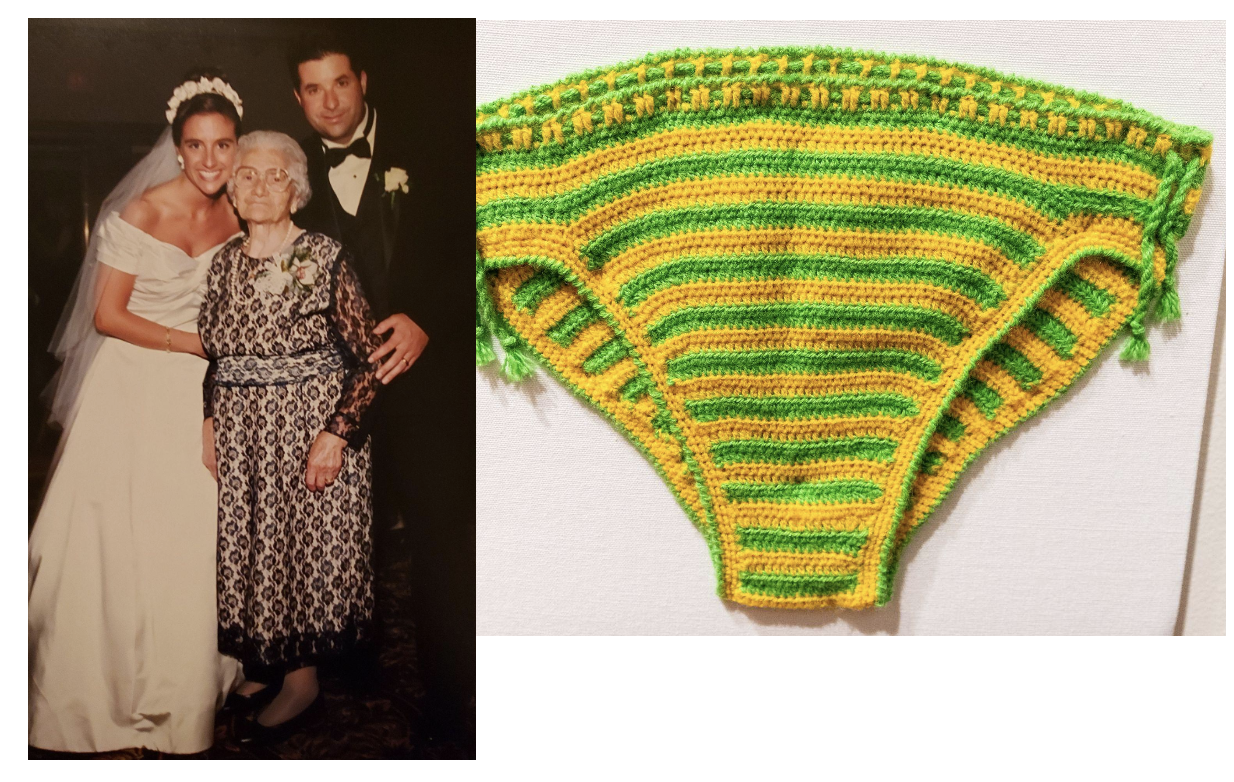
As the daughters of immigrant women achieved upward mobility and as consumerism became the norm following World War II, many young women chose not to learn needlework, preferring more “American” and less labor-intensive activities. The traditional Italian corredo, items that women had historically made themselves or that had been made by kin, was gradually replaced by the modern wedding registry — toasters, stand mixers, and the like. Needlework was increasingly perceived as a vestige of the past.
Yet some women maintained these traditions, which not only endure, but are also being rediscovered.
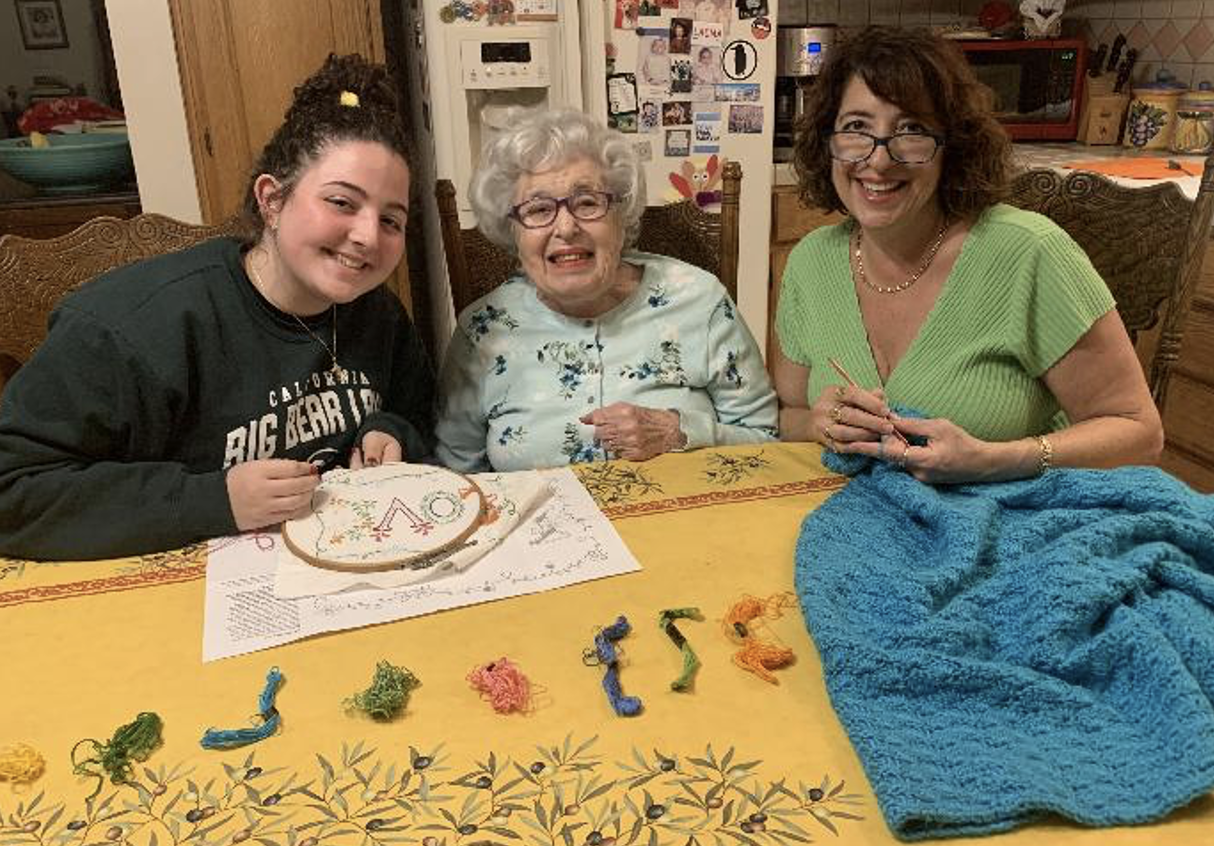
As we began installing the more than 100 pieces featured in the exhibition, it occurred to me that the Italian American craftswomen who created the needlework — most of whom have long since passed on — would never have imagined that their work would one day be showcased in a museum. There is little historical record of these women; they never achieved fame or fortune. Their legacy is in their perseverance, their love for others, their wisdom, and their resourcefulness.

From the simple to the ornate, the utilitarian to the sacred, the objects showcased in Woven Lives reveal the sensibilities, hopes, beliefs, and perspectives of the various generations of Italian American women who fabricated them.
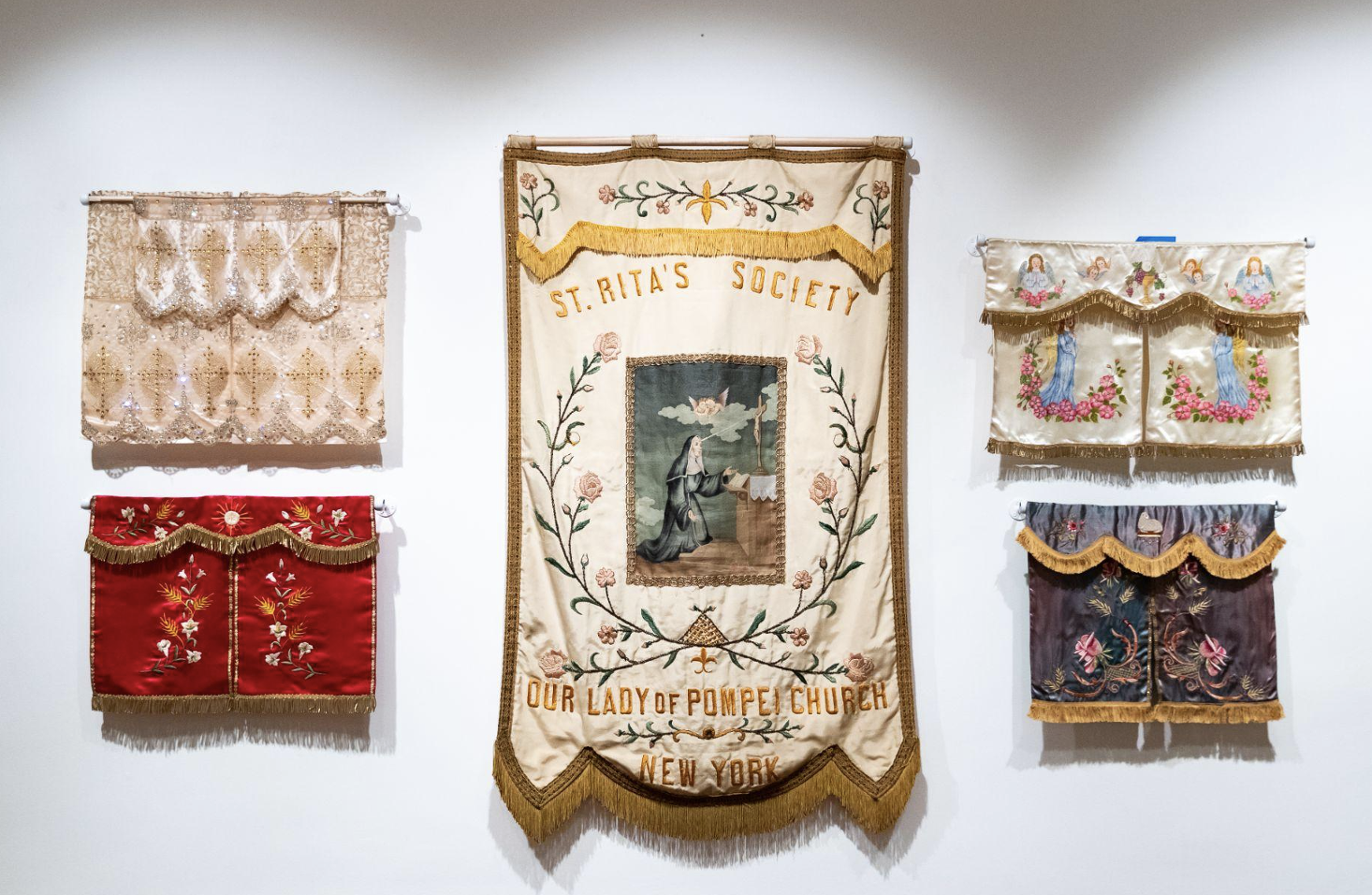
By exploring the stories behind these handcrafted pieces, we gain a richer appreciation not only for the experiences of their creators but for how traditions survive, change, disappear, and reemerge in immigrant and transplanted communities. We hope you will have the opportunity to visit the exhibition, which continues at the IAMLA until October.
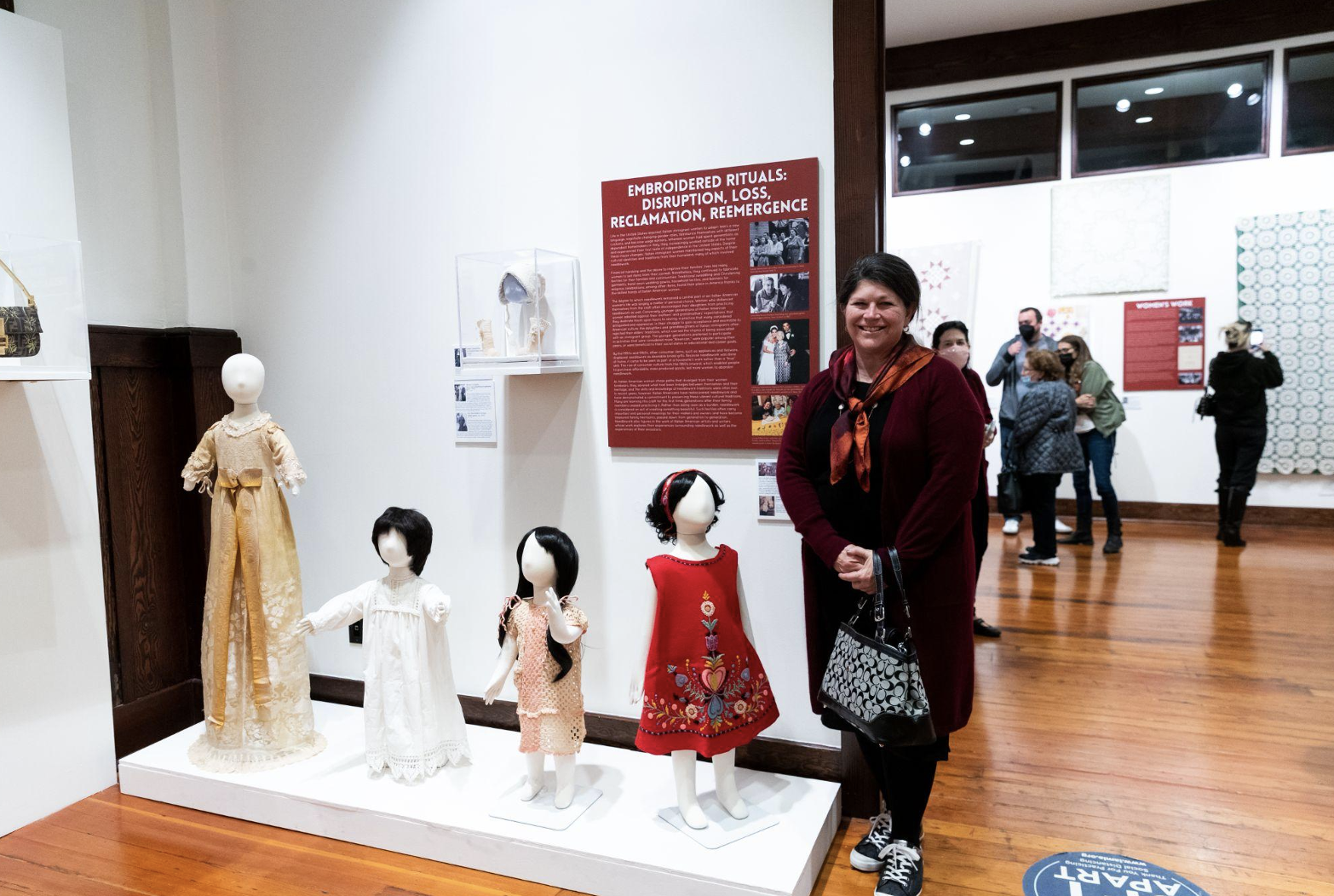
Marianna Gatto is the executive director and cofounder of the Italian American Museum of Los Angeles (IAMLA), a historian and author with more than a decade of experience in public history, non-profit leadership, museums, and education.