
Ten million tourists, a manageable number, flowed into Venice each year during the 1980s, but by 2010 and beyond the city was being swamped by both floodwaters and a crushing stream of 20 to 30 million annual travelers.
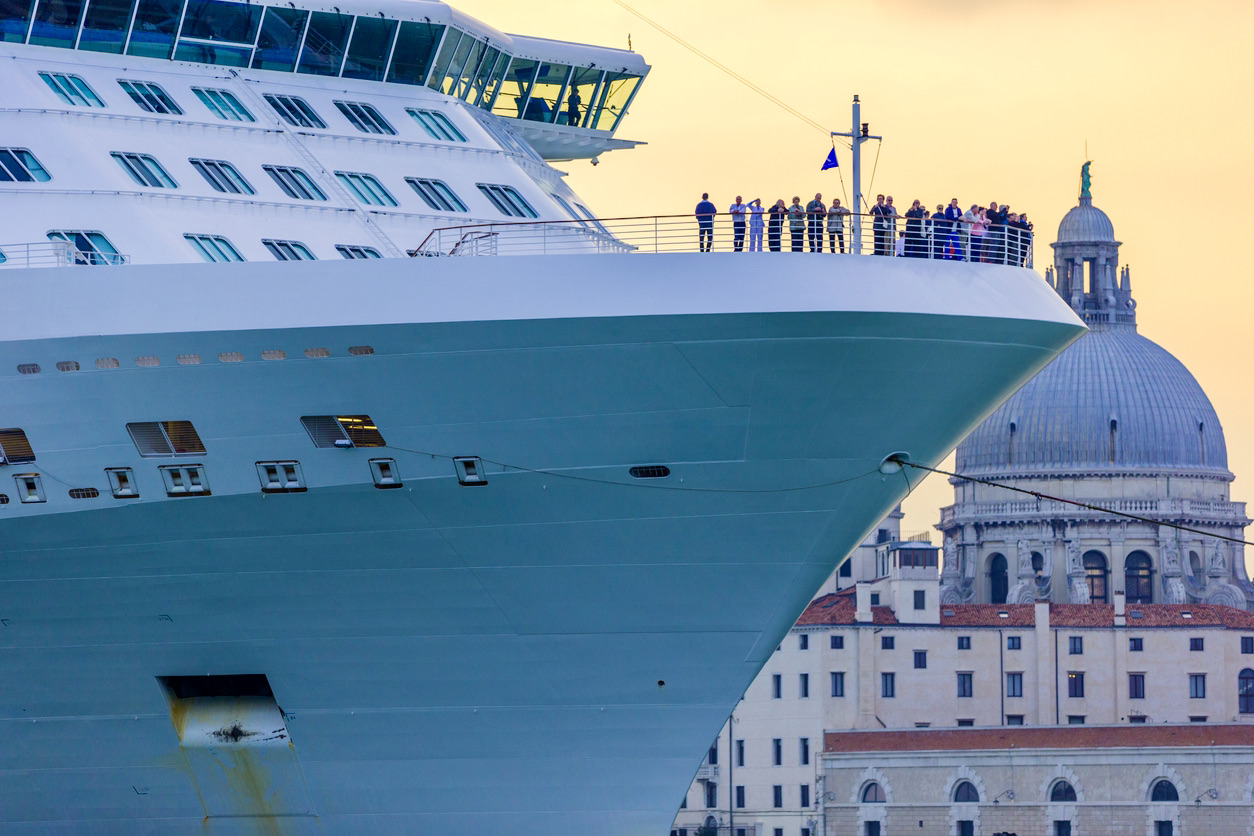
The city’s population dwindled, pollution filled the air and fragile waters, and giant cruise ships clogged the lagoon — blocking the scenic city centre views.
But last month, the tide began to turn when Prime Minister Mario Draghi issued a decree banning the cruise ships from their typical route, requiring them instead to take a circuitous path to the industrial end of the lagoon.
Passengers will disembark at the port of Marghera, on the terra firma adjacent to the historic islands of Venice, The Guardian reports.
Seven-hundred cruise ships lumbered through Venice prior to the pandemic, and the ban only partly solves the problem as the tourist vessels will still pass through the city’s lagoon.
Draghi’s administration has promised that a new port will be constructed to permanently remove cruise ships from the city, but those plans could take years to execute.
Meanwhile, Venice has lost 6,000 jobs, and several hotels and businesses during the pandemic lull.
In the years ahead the city is seeking to restore a once-diverse economy that was consumed by decades of over-tourism and dogged by flooding (known as acqua alta.)
The good news is: the city recently finished a decades-long construction project, which consisted of the installation of floodgates at the entrances to the lagoon.
The MOSE Floodgates will ease the acqua alta, the cruise ship ban will mitigate the eyesores and tourism flow, and the city will press on as it continues to rethink its future.
Make a Pledge and join Italian Sons and Daughters of America today.
