
By Tony Traficante, ISDA Contributing Editor
” …[S]eeds fell into the good soil, and they grew, increased, and yielded a crop that produced a hundredfold.” The parable, according to Mark 4:26-29, is a divine comparison to the astounding experience of the Italian immigrants struggling to reach the New World. They braved untold perils to reach an unknown land in search of a better life for themselves and their heirs.
“Noi, chi siami,” we who are seedlings from immigrant Italian families, lived the experience of their ways. It was ours to live. Studying the history of Italian immigrants in America should be a call to others.
There seemed to be no escape from partialness or discrimination for Italians. Our predecessors suffered through much of it, and some of it still endures today. Although I lived through it, I didn’t recognize it for what it was. As much as they could, the immigrants ignored it. Sometimes, it was a matter of preserving their jobs; making a new life for themselves and their families was their main concern.
It was said that we Italians were clannish. “Ma che,” as my Mom would remark! We weren’t! “Vivevamo come una comunità forte e sicura.” There was a vigorous sense of community and security among us. We weren’t unique in that regard. After all, other ethnic groups did the same!
Obviously, in a strange land, immigrant groups were more comfortable around their own. There they spoke the same language, ate the same foods, participated in the same celebrations and worshipped the same God. It was a matter of security and familiarization.
The nature of the Italians was to work and socialize together. When possible, they helped one another and shared. There was a time for everything. The late summer and early fall were the busiest months for many Italian families.
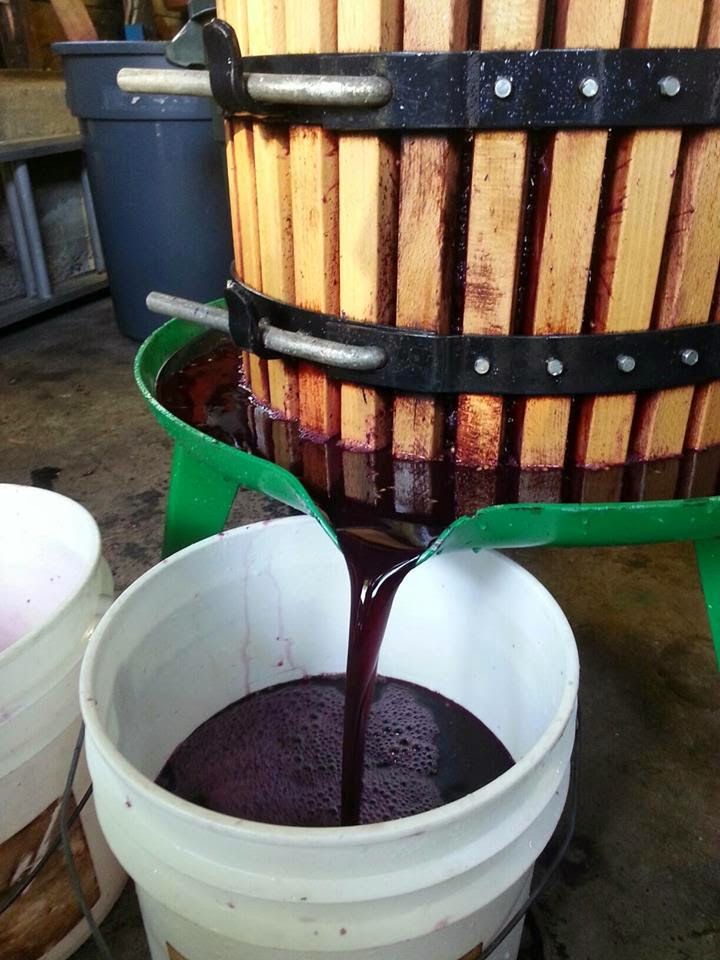
While the men pressed grapes that flowed into wine, mothers were busy jarring a wide selection of vegetables, fruits, and salsa. I got a kick out of watching the grape juices flow from the press, followed by the rich, red juice from tomatoes that poured out of the “passapomodoro” grinder. I helped when I could. But, when it was time to prepare the pig for sausage processing, I was outta there!
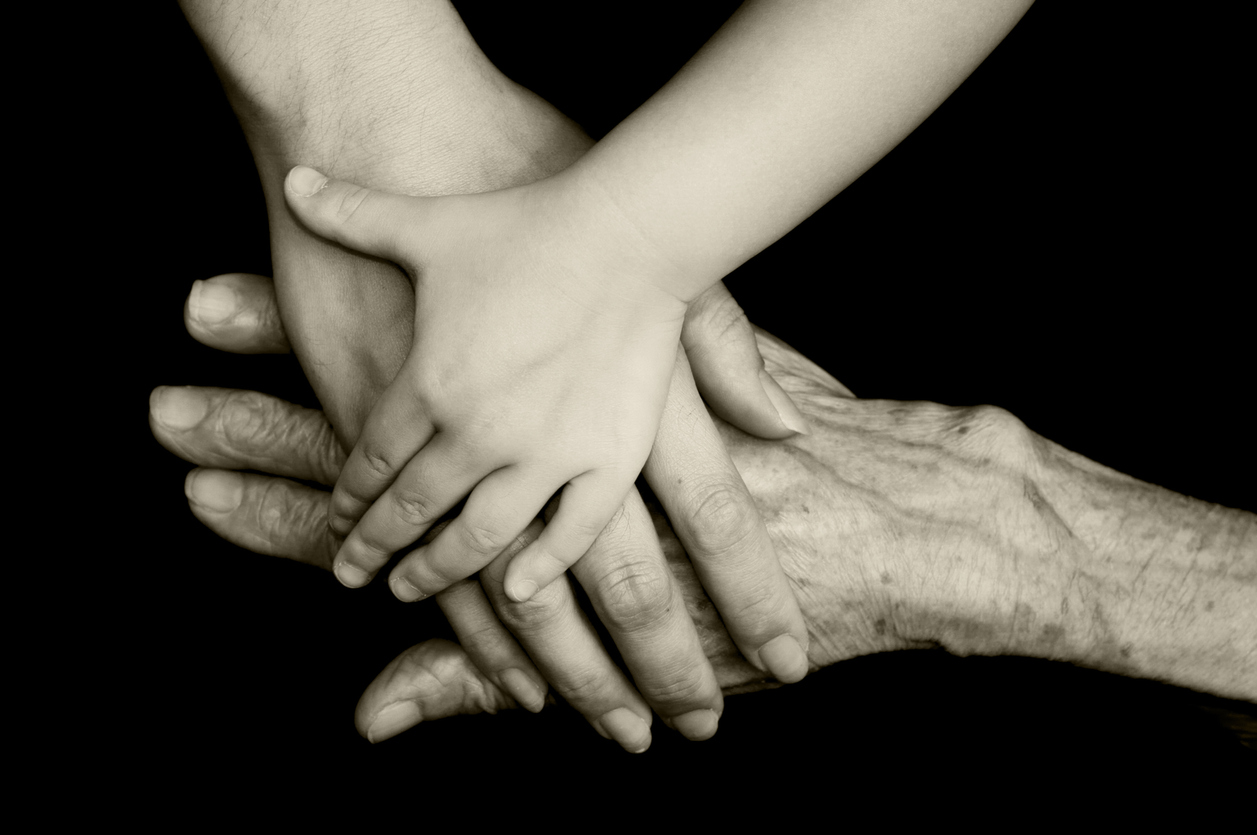
Our parents and grandparents made many things by hand, including the food we ate and the clothes we wore. We witnessed the magic, of luscious gardens sprout under the wrinkled hands of family members. During the day. mothers spent hours cooking fresh food, then in the evenings they knit, sewed, or stitched socks. Theirs were never idle hands. Nothing was wasted, not even the time of day.
There was more for the “old” Italians than just work. There was a time for socializing as well. Spring and summer evenings were spent outside on porches, chatting, and spinning yarns. Then, there were the weddings, religious ceremonies, birthdays, holidays, or even funerals.
In my time, some funeral accommodations were in private homes. The caskets were often present in the living room. During some of the viewings, a group of women sat near the casket, rocking and keening back and forth. It was a most peculiar sight, but an accepted representation of veneration for the dead and their family.
Whether it was making “salsiccia, capocollo, or salami, or boiling “pomodori per la salsa,” it was a social happening for family and their friends. “Gli Italiani,” the Italians had fun when they could, and they worked hard to take care of their families.
How sad to think that much of our life experience — our heritage — may never pass on to our descendants. I’m not saying they should have lived it; however, they need to know what it was like.
Because, you know, it is their heritage after all!
Make a pledge and become a member of Italian Sons of Daughters of America today!
