
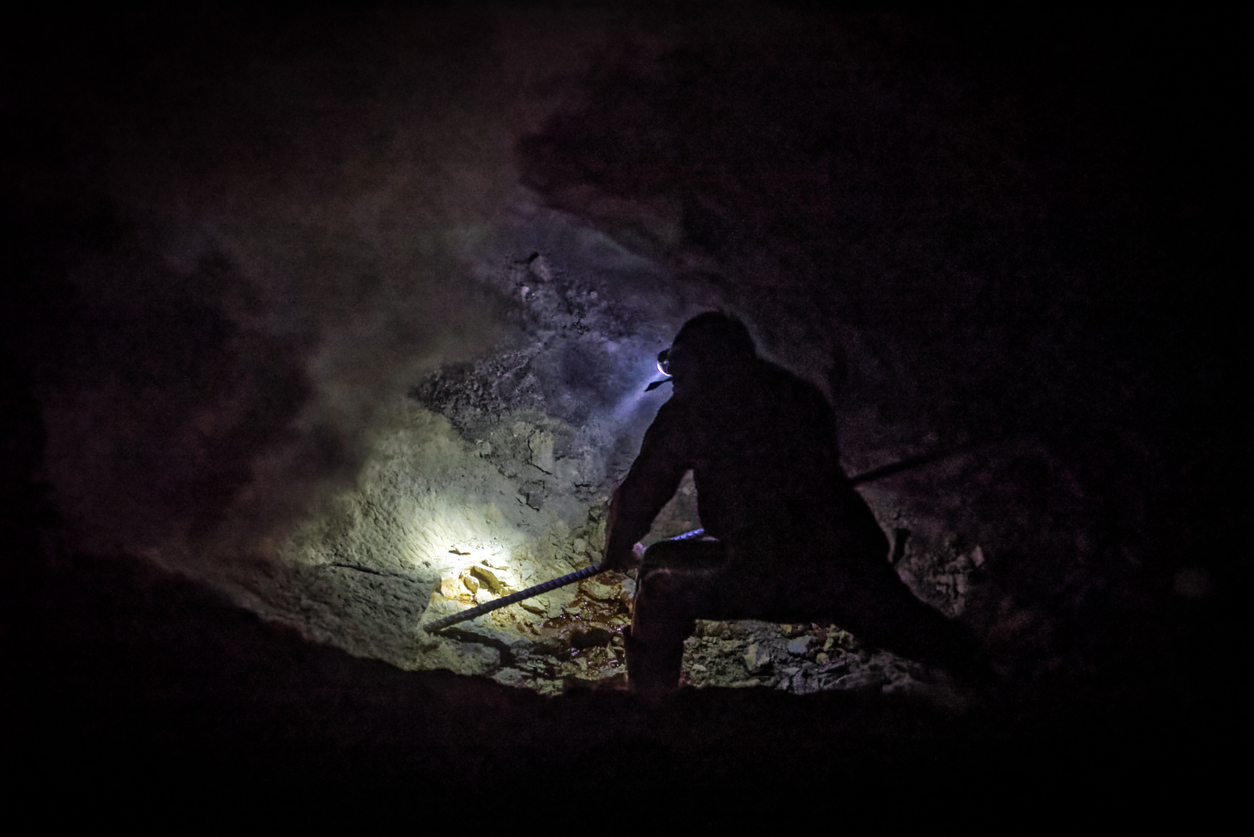
Archaeologists studying a cave in Liguria, Italy, have found the earliest known burial of a female infant in Europe, according to Smithsonian Magazine.
The baby was given the nickname “Neve” in honor of a nearby river, and she was about two months old when she died about 10,000 years ago, reports Brian P. Dunleavy for United Press International(UPI).
Baby Buried With Care 10,000 Years Ago Found in Italian Cave. https://t.co/UQNYCjjgo3 pic.twitter.com/nhTwWp8uBi
— World History Encyclopedia (@whencyclopedia) December 16, 2021
The child’s remains were covered in a shroud decorated with dozens of beads and four pendants, all of which were made from shells.
As the team argues in the journal Scientific Reports, the burial reflects the infant’s treatment as a full person by an early Mesolithic hunter-gatherer culture, with the items buried alongside her indicating significant emotional investment.
Smithsonian reports:
Finding the bones of babies from prehistoric or ancient times is rare because they’re extremely fragile, reports Tom Metcalfe for National Geographic. The new discovery is especially unusual because the remains were preserved well enough to extract DNA. In most cases, infants’ bone DNA has deteriorated too much to determine sex.
Adult burials dated to more than 14,000 years ago are somewhat common archaeological finds. But examples from the early Mesolithic (around 10,000 B.C.E.) are few and far between.
