
By Francesca Montillo, ISDA Food + Travel Writer
There’s much to celebrate during autumn in Italy. Unlike summer, when tourists flock to the boot from all over the world, the fall is a season for locals. It’s the period of the olive collection and oil production, the making of wine from the grapes that have matured ever so perfectly during the summer heat, and the period for chestnuts — a beloved Italian delicacy that screams fall.
Mid-autumn is also a somewhat somber period, with the celebration of the Feast of All Saints’ Day on Nov. 1 and All Souls’ Day on Nov. 2.
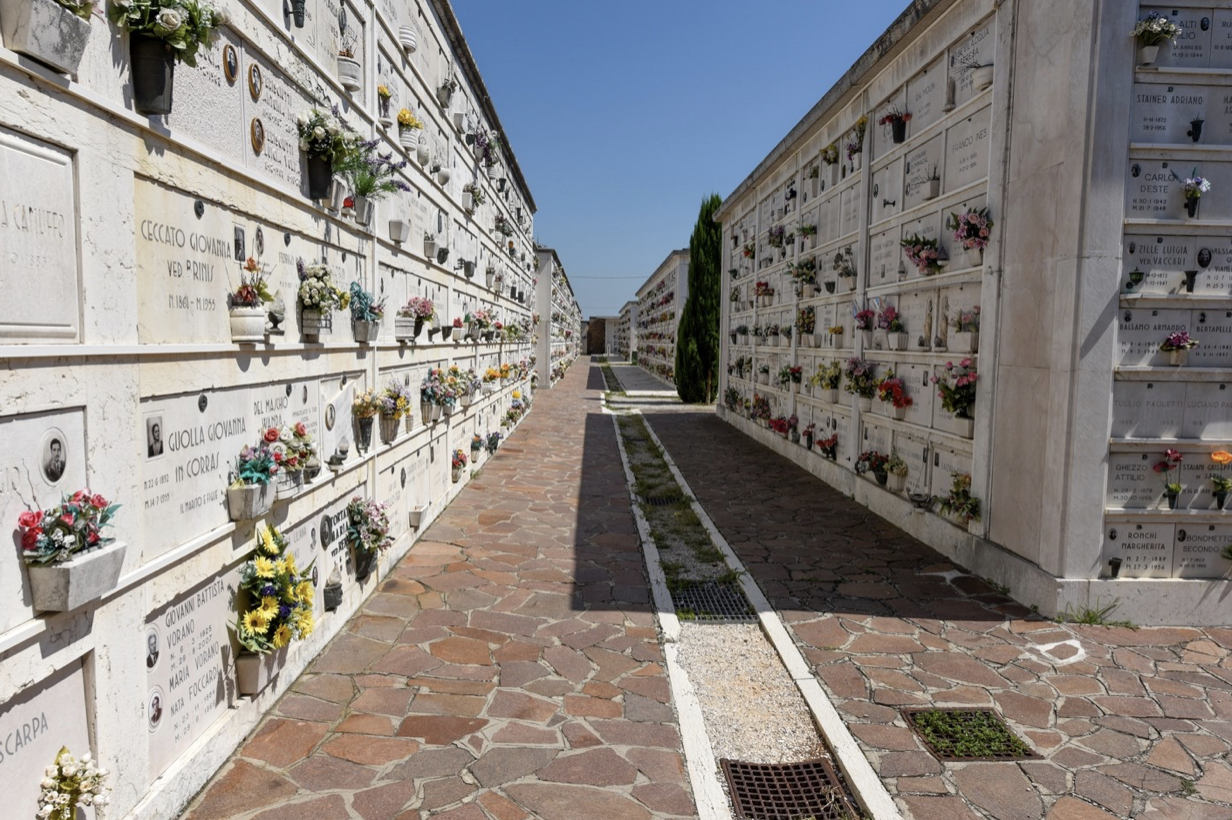
People across Italy visit cemeteries and pay homage to the departed on All Souls’ Day, but customs and symbolic rituals vary from one city of region to the next.
In Milan and Tuscany, for example, pan dei morti, a peasant dessert offered to the deceased between the first and second of November, is prepared to welcome the souls who have returned from beyond (as legend has it).
In Friuli, it is common to leave out buckets of water with a lit lamp. Food, usually bread, is placed on the table to allow the dead, returning for the night, to rejuvenate themselves. Even more elaborate are the preparations in Trentino, where the table is set for the night, and the church bells ring to call out to the souls.
Among the customs now abandoned, a tradition in Rome encouraged loved ones to share a meal with the departed on cemetery grounds. In other areas of Italy, on the other hand, this day was used to spread generosity. In Emilia Romagna, for instance, the poor went from house to house asking for the “carita di murt,” or the charity of the dead.
All Souls’ Day is also a feast for the palate and the typical recipes that are prepared on this occasion are different from region to region.
A chickpea soup is a typical Piedmont preparation and is enriched and flavored by the addition of pork ribs, but there are also those who prefer to accompany it with cotechino or pumpkin. It’s not uncommon on these occasions to leave an extra dish at the table to satiate the soul of the visiting deceased.
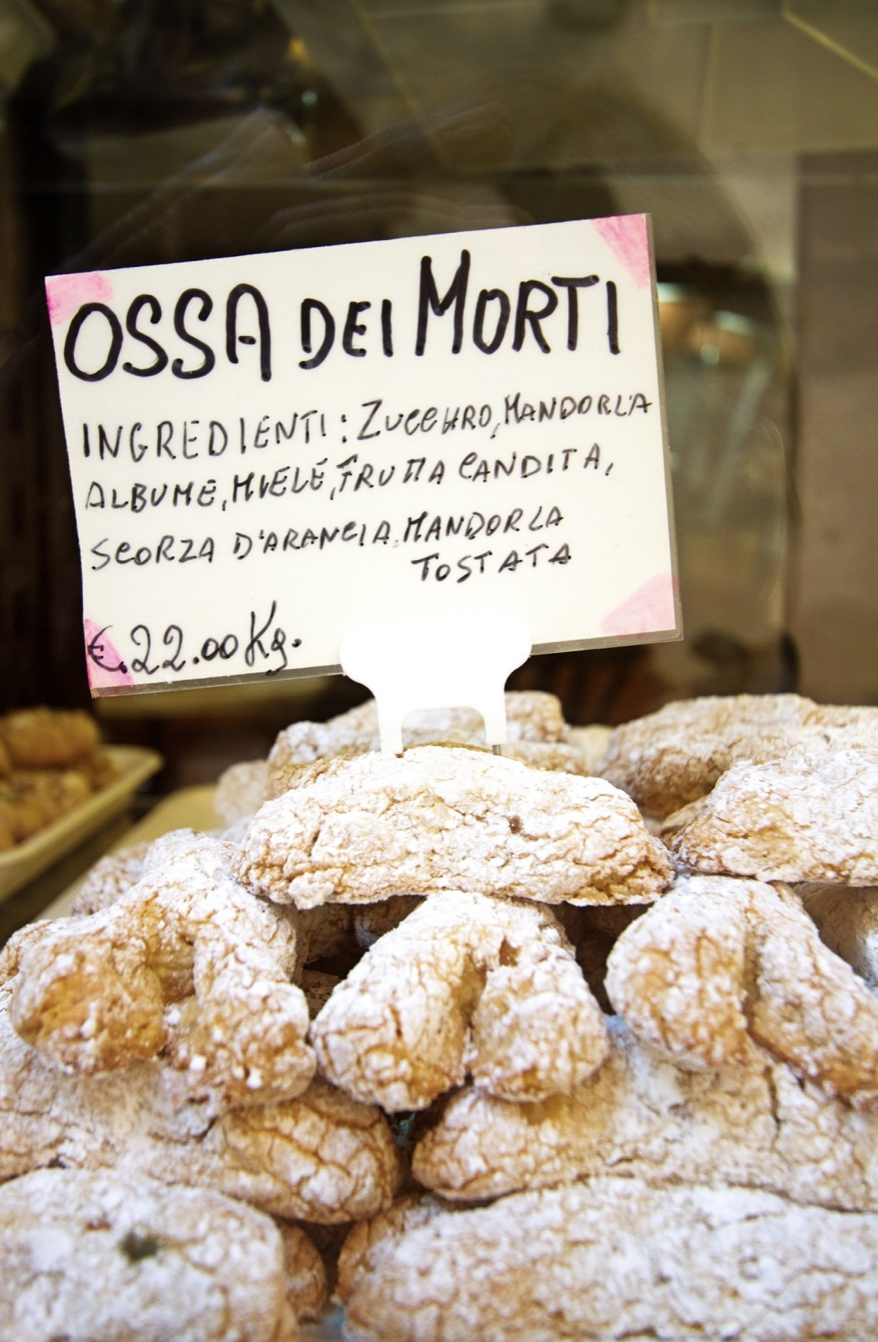
The bones of the dead are traditional cookies for the commemoration of the departed. Typical of the Parma area, but also widespread in many other areas of Italy, they are prepared with a base of short crust pastry covered with sugar or chocolate icing, to which almonds are added.
The bread of the dead is typical of the areas of northern Italy and its origin dates back to an ancient Milanese tradition linked to the cult of the dead. The bread is made with raisins, almonds, cinnamon and nutmeg, and it’s very spicy.
Meanwhile, the Sicilian sugar puppets and Sardinian papassini are intended for the little ones. Both are traditionally given to children, telling them that they were brought as a gift from the souls of the deceased.
No matter the custom, early November gives us pause and allows us to pay tribute to the saints and ancestors who built up our faith, and our famiglia.
God bless.
Join us and become a member of Italian Sons and Daughters of America today.
