
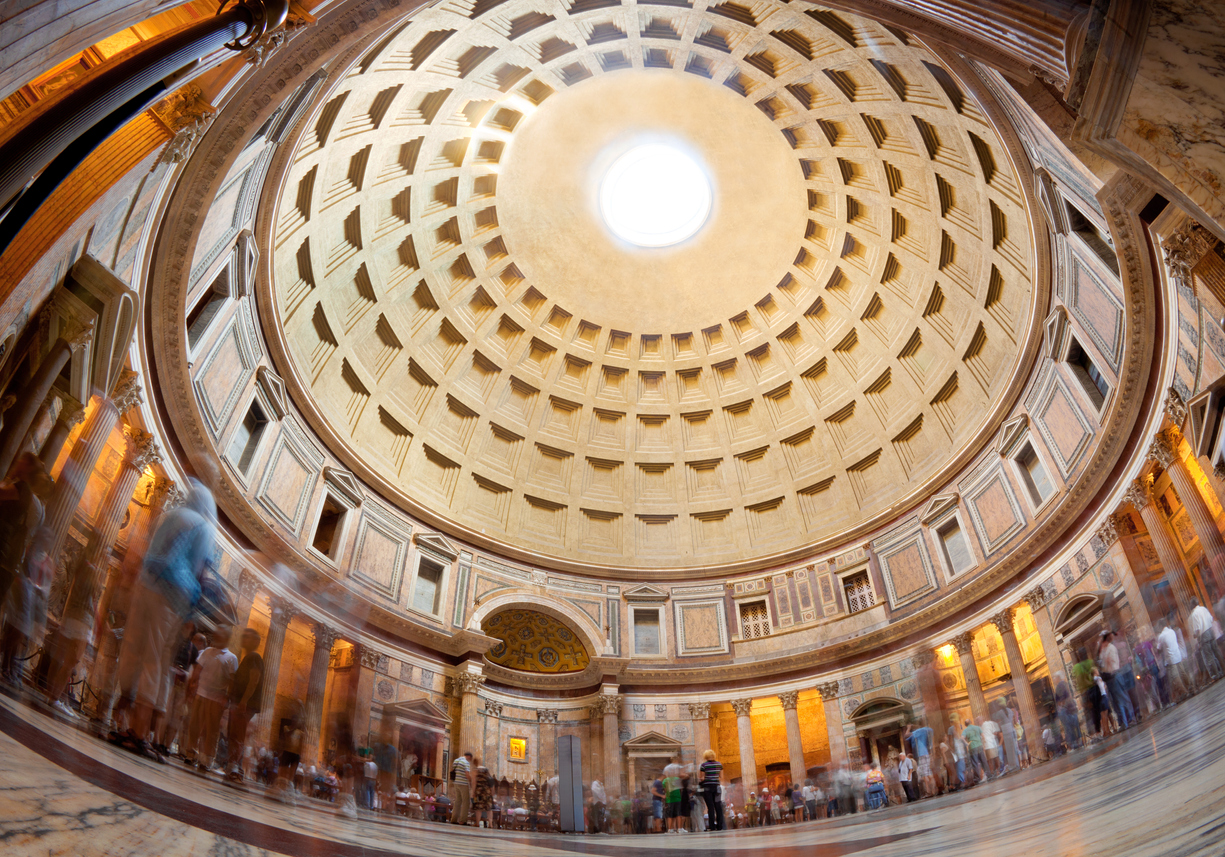
The Pantheon, completed around 126 A.D., features the world’s largest unreinforced dome.
The iconic structures of ancient Rome have stood the test of time, which speaks to the hyper-advanced ingenuity of Roman engineers who perfected concrete mixtures millennia ago.
Even so, researchers studying ancient development techniques could not deduce how gargantuan buildings — like the Pantheon and Colosseum — have survived wars, earthquakes and 2,000 years of wear-and-tear.
Now, according to CNN, scientists behind a new study say they have unraveled the mystery ingredient that allowed the Romans to create highly durable construction materials.
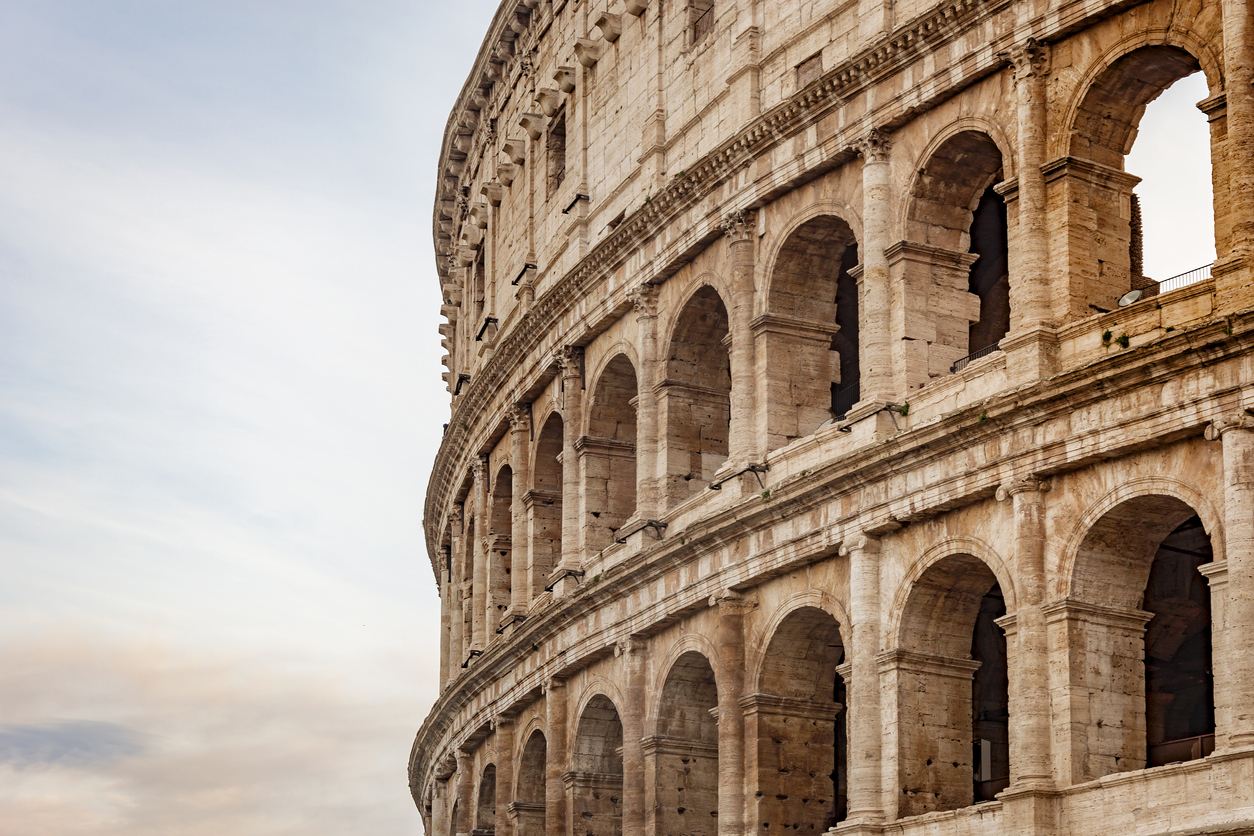
The study team, comprised of researchers from the United States, Italy and Switzerland, analyzed 2,000-year-old concrete samples that were chipped away from a city wall at the archaeological site of Privernum, in central Italy, and are similar in composition to other concrete found throughout the Roman Empire.
They found that white chunks in the concrete, referred to as lime clasts, gave the concrete the ability to heal cracks that formed over time. The lime clasts previously had been overlooked as either sloppy mixing or subpar raw material.
It turns out that scholars wrote down precise recipes and applied them to construction sites across the Roman Empire.
Now, the new findings could help make manufacturing today’s concrete much more sustainable.
Make the pledge and become a member of Italian Sons and Daughters of America today.
