
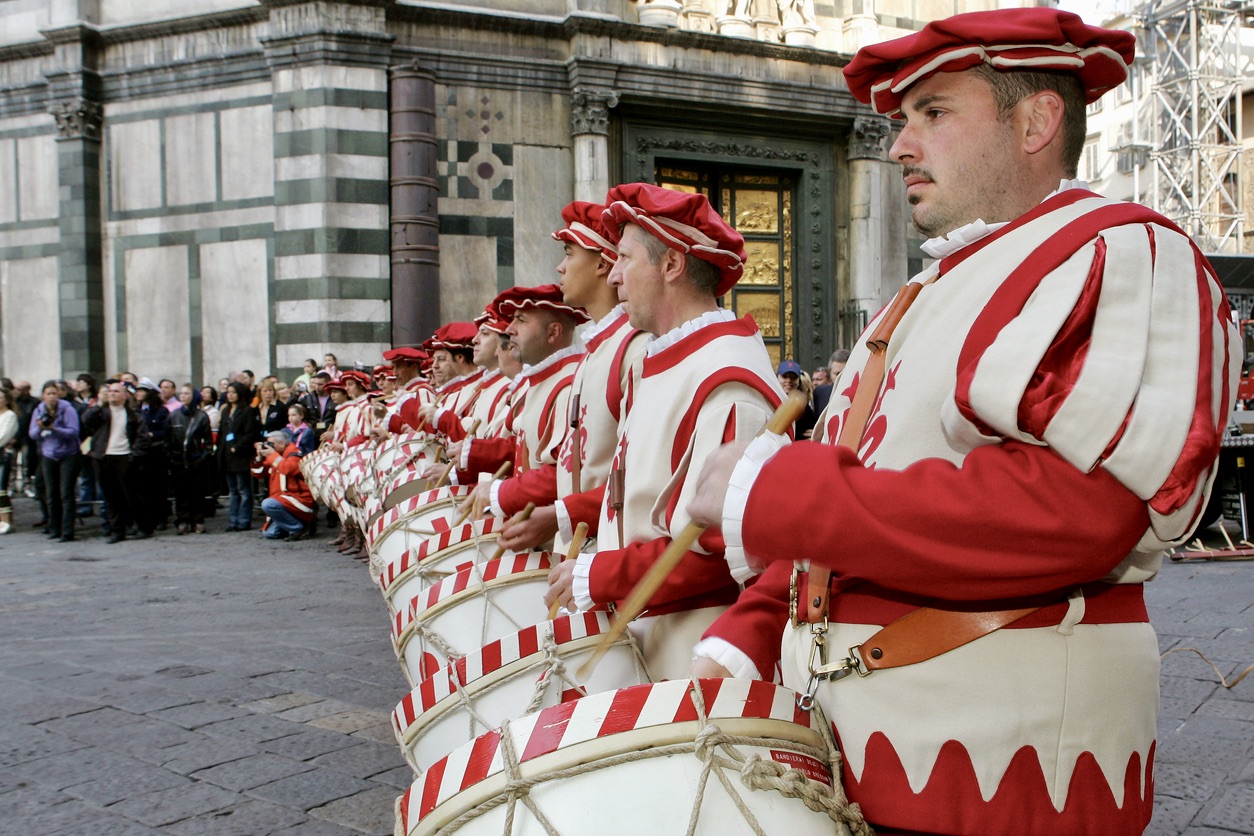
By Francesca Montillo, ISDA Food + Travel Writer
Easter in Italy is one of the most important holidays of the year; it marks the beginning of the warmer season and launches a period of outdoor activities, including village festivals, concerts, religious rites and processions.
The date of Easter changes every year since it coincides with the Sunday following the spring full moon. According to this rule, Easter is said to be low if it falls from March 22 to April 2, average from April 3 to 13 and high from April 14 to 25.
How is Easter celebrated in Italy? From north to south, especially the Passion of Good Friday, this holiday has inspired numerous and heartfelt rituals that include processions, reenactments and staging.
Easter celebrations begin the previous Sunday, Palm Sunday, to commemorate the triumphal entry of Jesus into Jerusalem, greeted by the waving of palm leaves. On this day it is not uncommon to see families and children return home with palms or olive branches blessed in the church, thus begins Holy Week during which various rites are held. Thursdays commemorate the feast of the Last Supper and the “Eucharistic celebration.”
Good Friday is the day of the Via Crucis: the streets light up with torches and are crossed by processions that retrace Jesus’s trudge to Calvary Hill, where he was crucified. On Saturday at midnight the bells announce the Resurrection. Sunday is the most important day, colored eggs, dove-shaped sweets and chocolate eggs are distributed. The egg, a symbol of life that is renewed and hopes for fertility, is linked to the meaning of Easter as a feast of spring and the awakening of nature.
In Italy, Easter Monday is the last day of celebration with a holiday called Pasquetta, or little Easter. It became a public holiday on the national calendar only after World War II, to extend the spring break. Since then, the use of trips outside the city and in the open air has spread. Those visiting Italy during Easter are spoiled for choice among the many traditions and customs that can be admired in every city.

Bormio
In Bormio, we find the tradition of the Pasquali: the parade of allegorical floats decorated with flowers and moss carried by young people in traditional costume. In the center-north, on the other hand, we find Easter celebrations whose protagonist is the egg: the Festival and the Palio dell’uovo in Tredozio with games, battles and parades of allegorical floats.
Florence
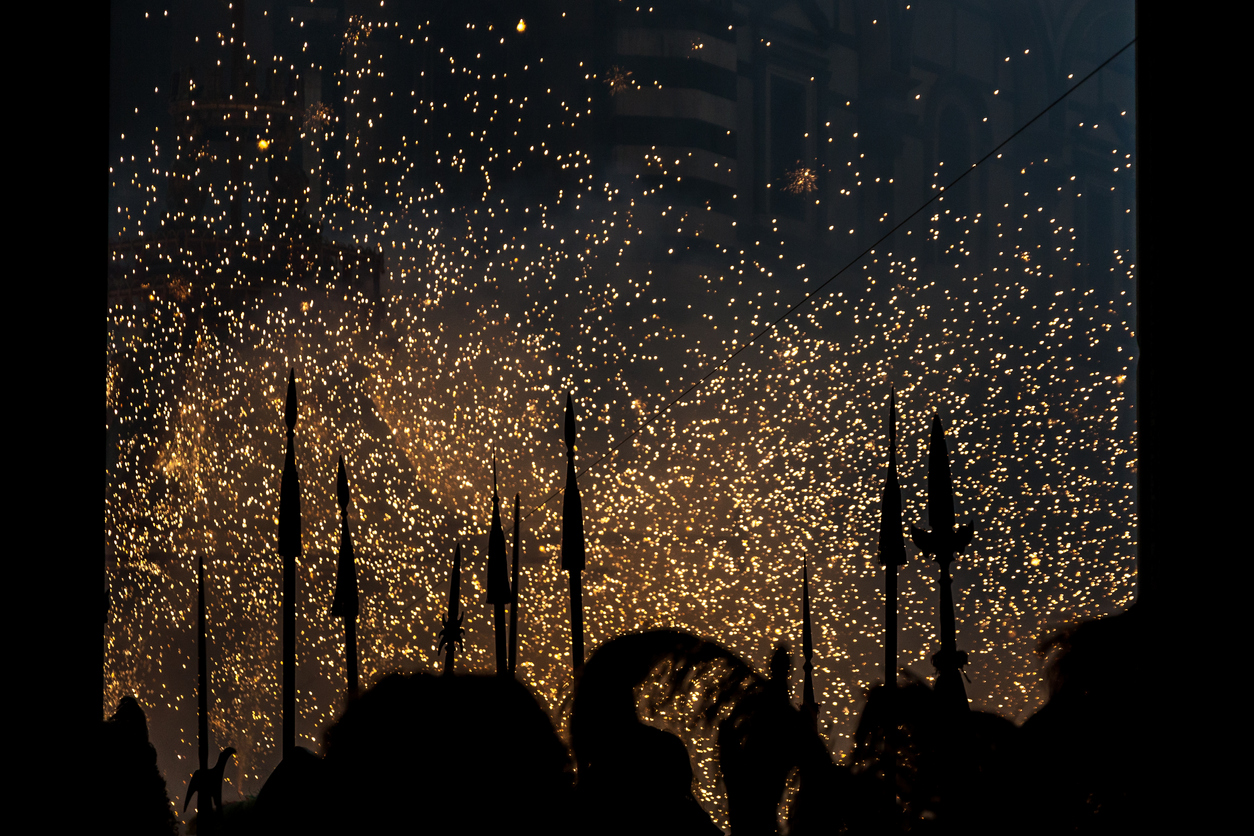
The dove is the protagonist of the famous celebration of the Scoppio del Carro, or Explosion of the Cart in Florence, which dates back to the time of the first crusade. On Easter Sunday, a mechanical dove hits a chariot in front of the Florence Cathedral, thus lighting the fireworks contained in the chariot.
Sicily
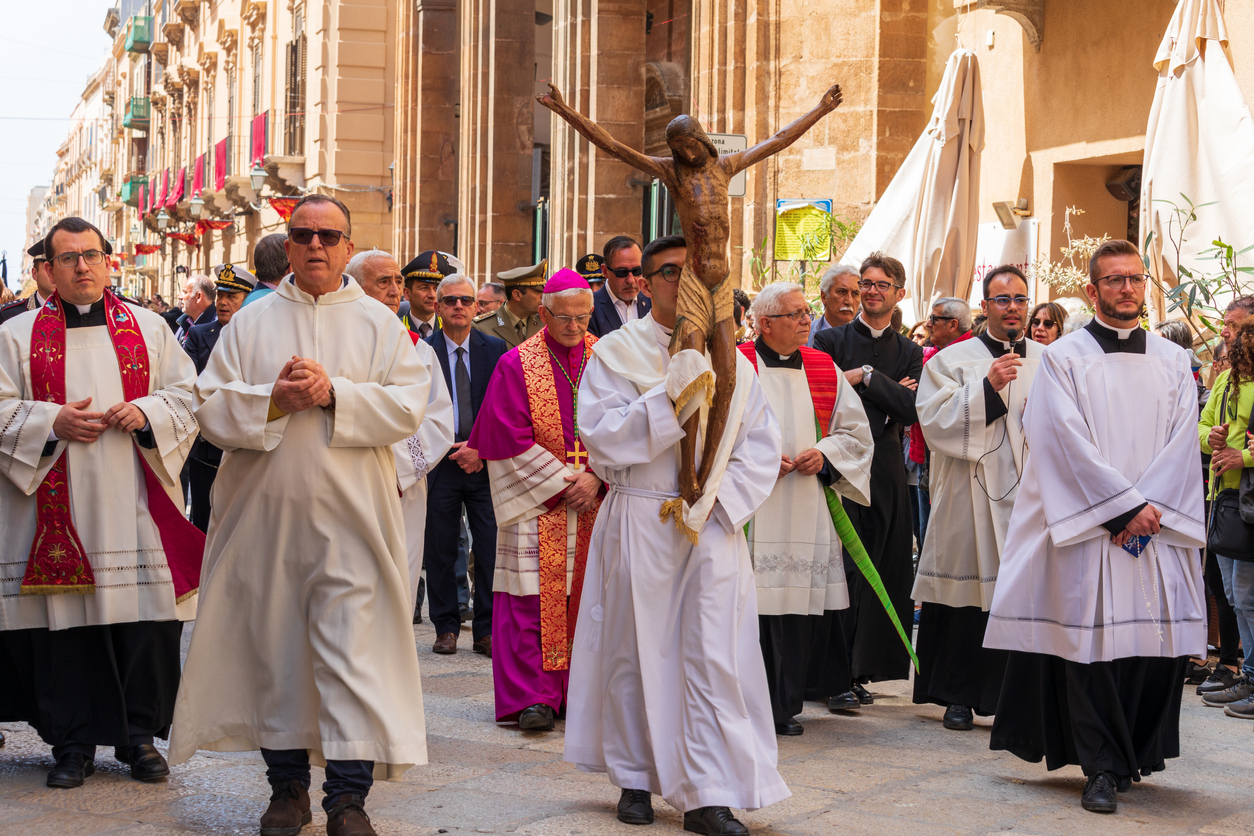
Sicily is rich in ancient rites and local customs where masked characters parade through the streets of the cities. Among the most evocative we find the Real maestranza of Caltanissetta which dates back to the Spanish domination, the procession of the Mysteries in Trapani and the celebrations of Prizzi and Adrano, an eighteenth-century tradition handed down from father to son.

Rome
Finally, not to be missed in Rome, the evocative Via Crucis del Papa that reaches the Colosseum.
Make the pledge and become a member of Italian Sons and Daughters of America today.
